
Articles & Practical Guides
Engineering tips, technical tutorials, and real-world software advice from our team.
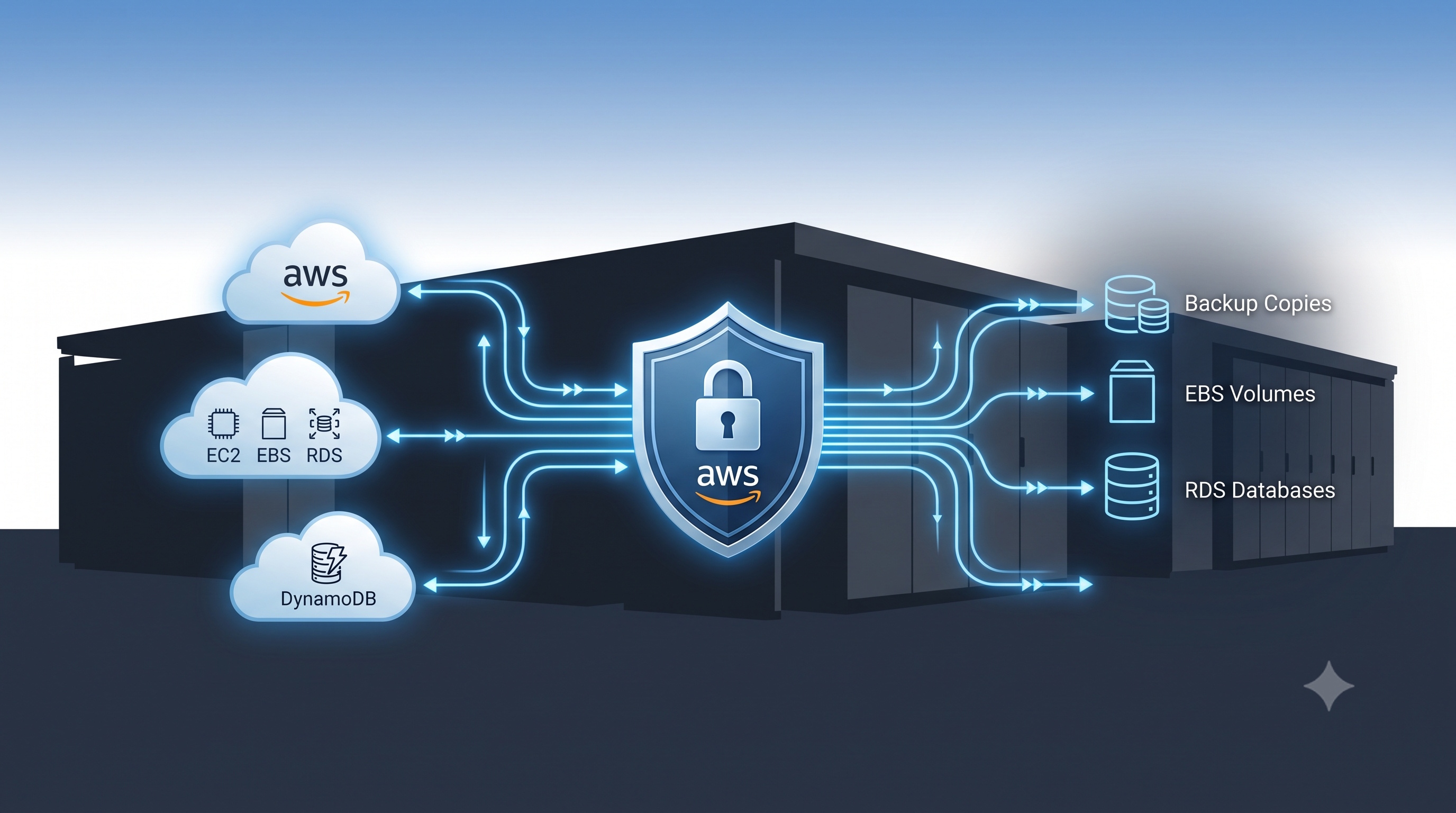
Implementing Backups with AWS Backup
Implementing backups with AWS Backup offers a unified, secure, and automated approach to protecting data across the AWS ecosystem. By understanding the service’s core constructs, aligning backup plans with business RPO and RTO goals, and following proven best practices, organizations can achieve resilient data protection while controlling costs. Continuous monitoring, regular restore testing, and disciplined IAM governance are essential to maintaining a trustworthy backup environment. With these measures in place, teams can focus on innovation rather than worrying about data loss.


Managing Menus, Navigation, and Breadcrumbs
Menus, navigation, and breadcrumbs are not isolated UI elements; they form a cohesive system that directs user behavior, supports accessibility, and contributes to search‑engine visibility. By grounding design decisions in clear hierarchy, consistent labeling, and responsive implementation, teams can create intuitive pathways that reduce friction and increase satisfaction. Ongoing testing and disciplined maintenance ensure that the navigation ecosystem remains reliable as content evolves.

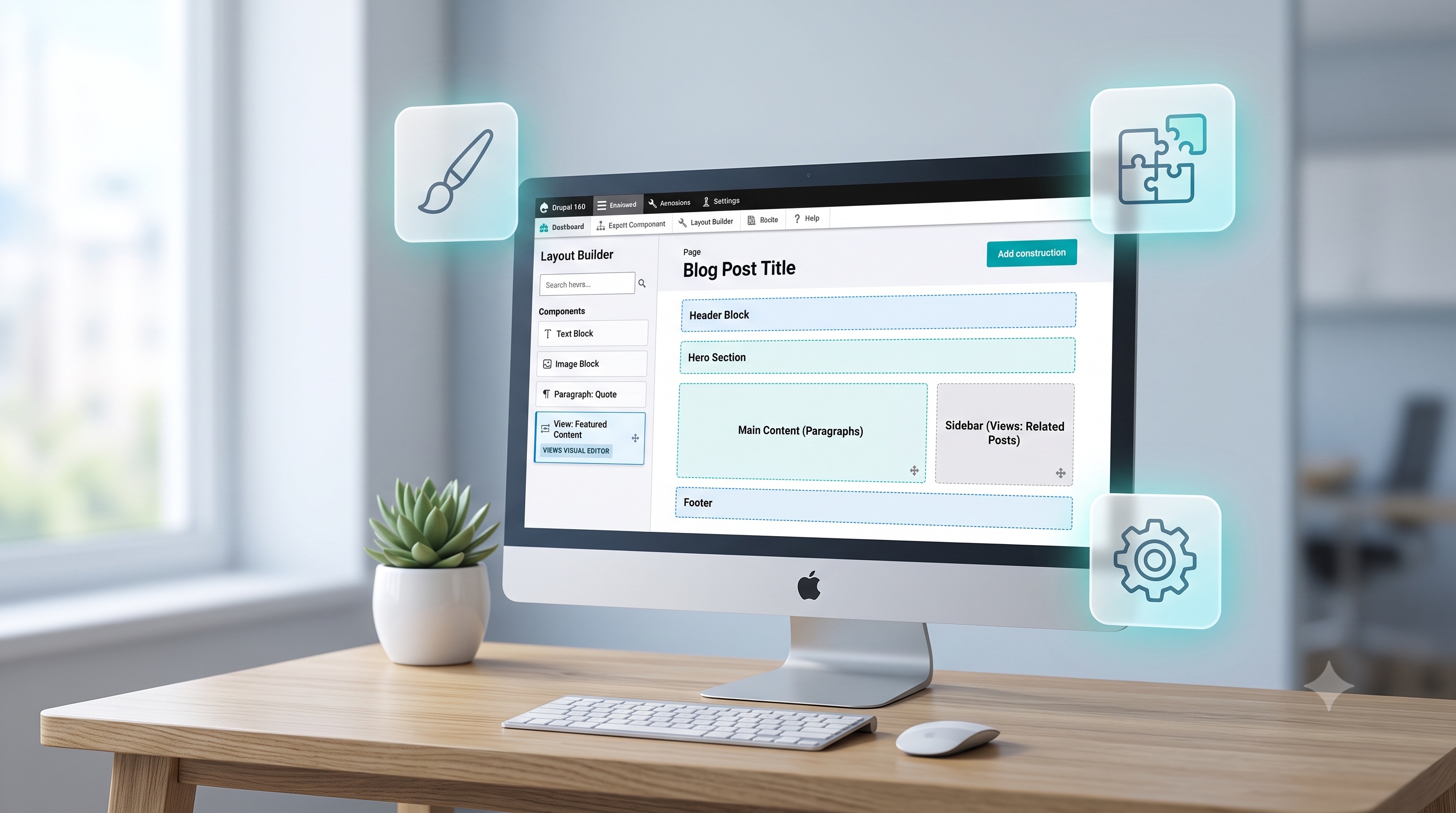
Customizing Drupal Without Coding
Customizing Drupal without coding is a realistic goal for many organizations. The platform’s Layout Builder, Paragraphs, Views UI, and a rich ecosystem of contributed modules empower non‑technical users to design, structure, and enhance web pages through intuitive interfaces. When combined with disciplined configuration management and best‑practice workflows, a no‑code approach delivers rapid iteration, lower maintenance costs, and a resilient digital presence. Teams that invest in training and adopt these tools can unlock Drupal’s full potential while keeping development resources focused on truly unique challenges.

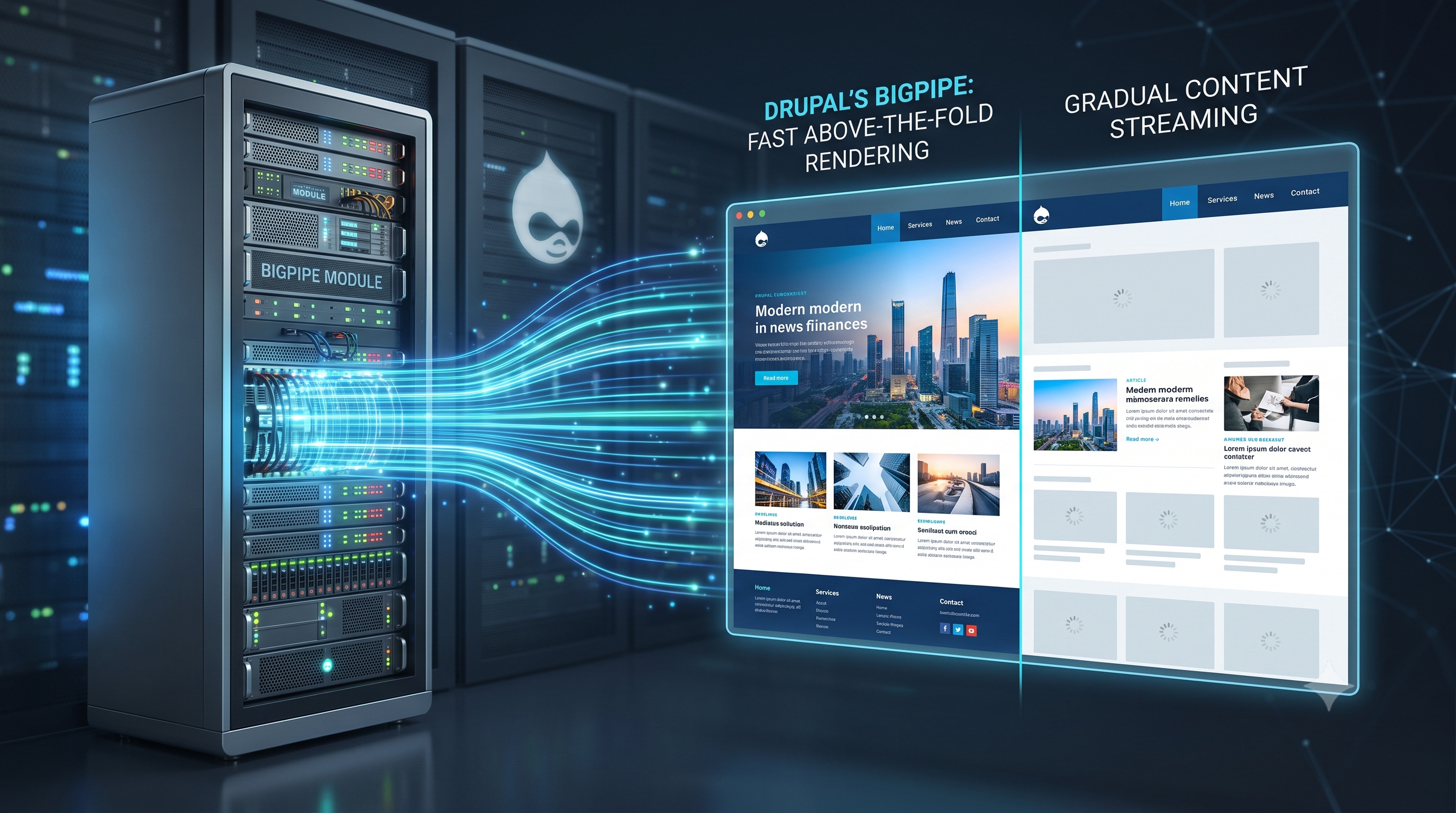
Drupal’s BigPipe Module for Performance
BigPipe offers Drupal developers a powerful tool for improving perceived performance without sacrificing flexibility. By streaming critical markup first and loading secondary content asynchronously, sites can achieve faster paint times, better Core Web Vitals, and a smoother user experience. Successful adoption requires careful configuration, alignment with existing caching strategies, and ongoing monitoring to avoid common integration issues. When implemented correctly, BigPipe becomes a cornerstone of a high‑performance Drupal architecture, enabling organizations to meet the demanding speed expectations of modern web users.

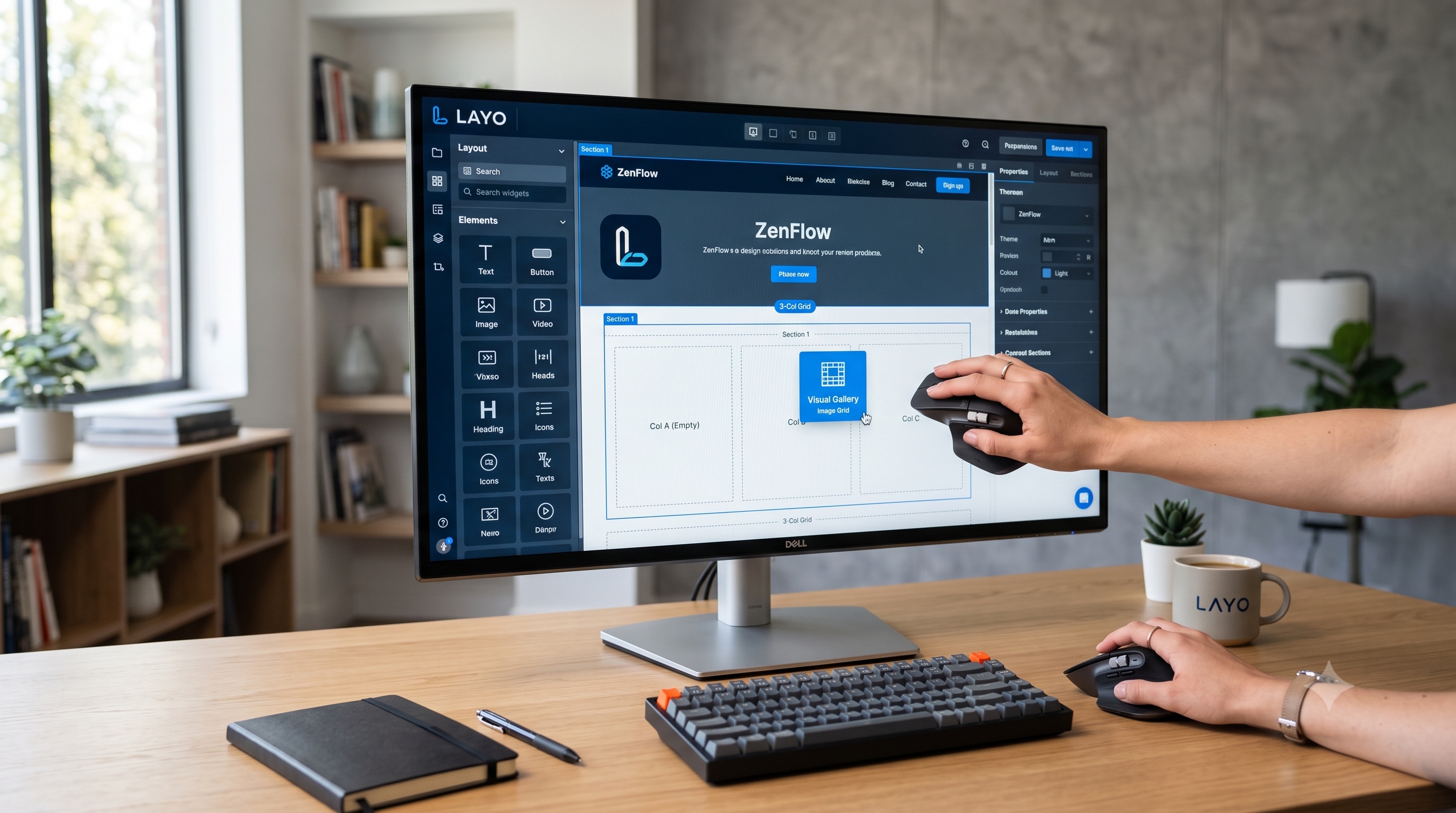
Layout Builder: Designing Custom Pages
A Layout Builder transforms the page creation process from a code‑centric activity into a collaborative, visual experience. By following a structured workflow—starting with a clear blueprint, selecting appropriate templates, assembling a responsive grid, and populating it with well‑configured modules—teams can deliver custom pages that are fast, accessible, and on‑brand. Incorporating performance optimizations and accessibility checks ensures that the final product serves all users effectively. As organizations continue to prioritize digital experiences, mastering Layout Builder tools becomes an essential skill for designers, developers, and content strategists alike.
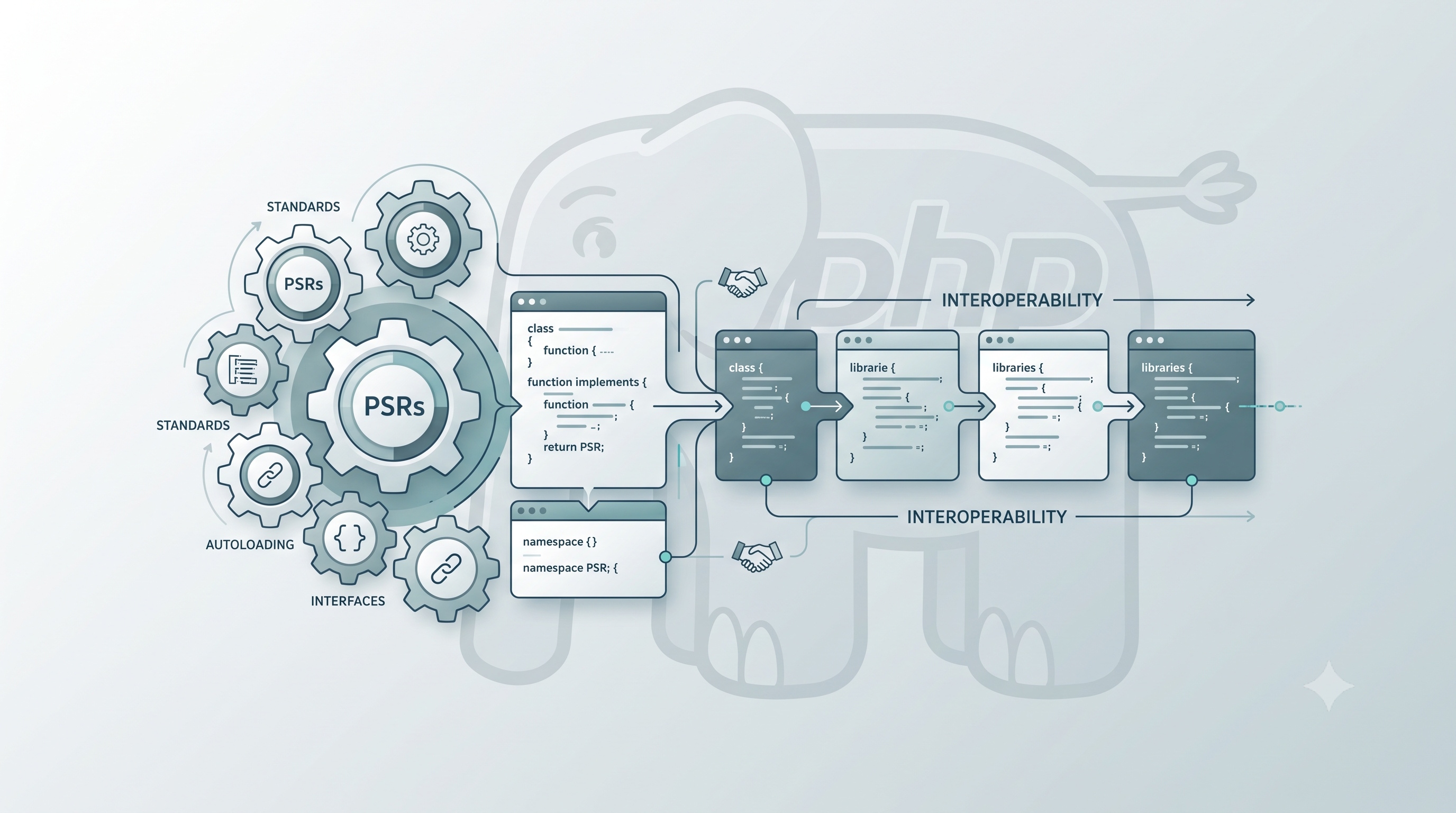
PSR Standards Every PHP Dev Should Know
Understanding and applying PSR standards is a foundational skill for any professional PHP developer. From basic naming conventions in PSR‑1 to advanced middleware patterns in PSR‑15, these recommendations create a shared baseline that enhances code quality, collaboration, and long‑term project health. By integrating the relevant PSR specifications into your workflow, you position your codebase to take full advantage of the vibrant PHP ecosystem and ensure that your applications remain robust, scalable, and maintainable.

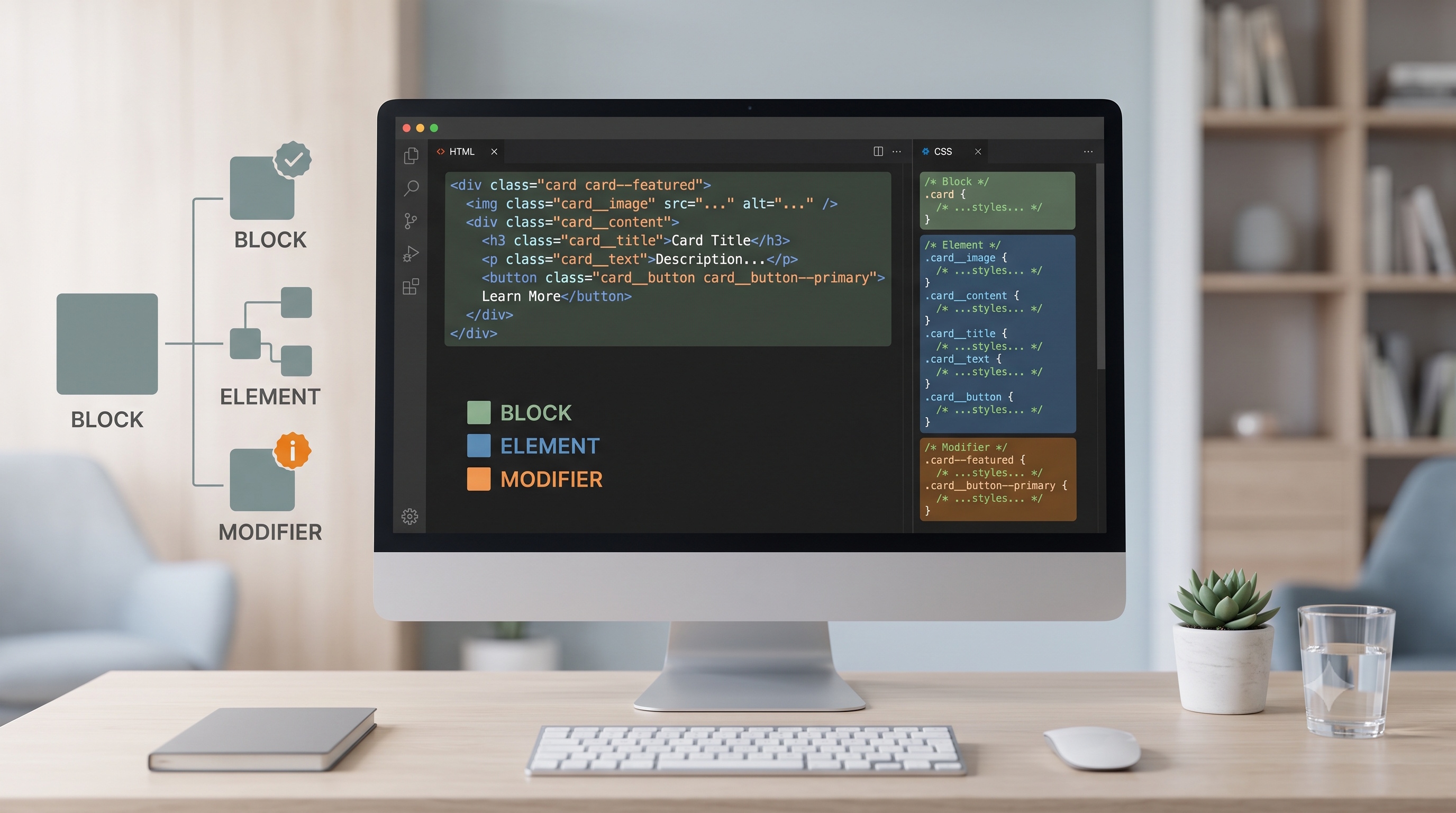
BEM Methodology for CSS
BEM provides a disciplined framework for writing CSS that scales with the complexity of modern web applications. By separating UI components into blocks, elements, and modifiers, developers gain clarity, reduce specificity conflicts, and improve collaboration across teams. Implementing BEM requires an upfront investment in naming conventions and documentation, but the payoff is a more maintainable codebase and faster development cycles. Whether you are building a single‑page application or a large corporate website, adopting BEM can bring order to your stylesheet and empower your team to deliver consistent, high‑quality user experiences.


Using Prettier for Code Formatting
Prettier offers a pragmatic solution to the perennial problem of inconsistent code formatting. By installing the tool locally, defining a concise configuration, and integrating it with editors and CI pipelines, teams can achieve a clean, readable codebase with minimal manual effort. The combination of opinionated defaults and flexible overrides makes Prettier suitable for small scripts, large monorepos, and everything in between. Embracing Prettier not only streamlines development workflows but also reinforces a culture of quality and collaboration.
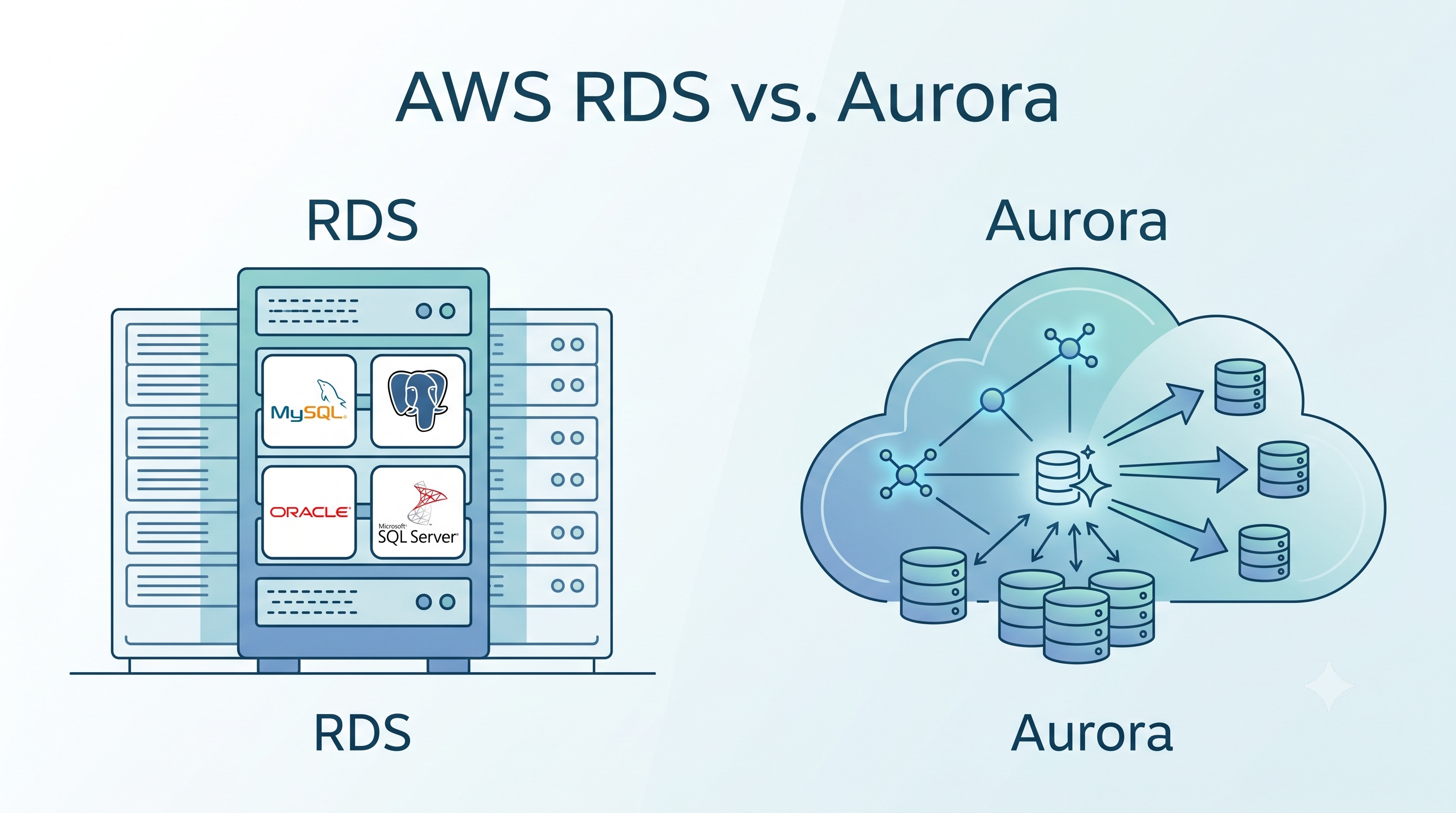
AWS RDS vs. Aurora: Which to Choose?
Both Amazon RDS and Amazon Aurora deliver managed relational database capabilities, yet they serve distinct operational profiles. RDS excels in providing a familiar environment for a wide range of database engines, making it ideal for workloads that depend on specific commercial features or strict licensing constraints. Aurora, on the other hand, offers superior performance, rapid scaling, and advanced durability through its distributed storage architecture, positioning it as the preferred choice for modern, high‑throughput applications. By aligning your workload characteristics, cost considerations, and feature requirements with the strengths of each service, you can select the database solution that best supports your organization’s objectives.