
Articles & Practical Guides
Engineering tips, technical tutorials, and real-world software advice from our team.
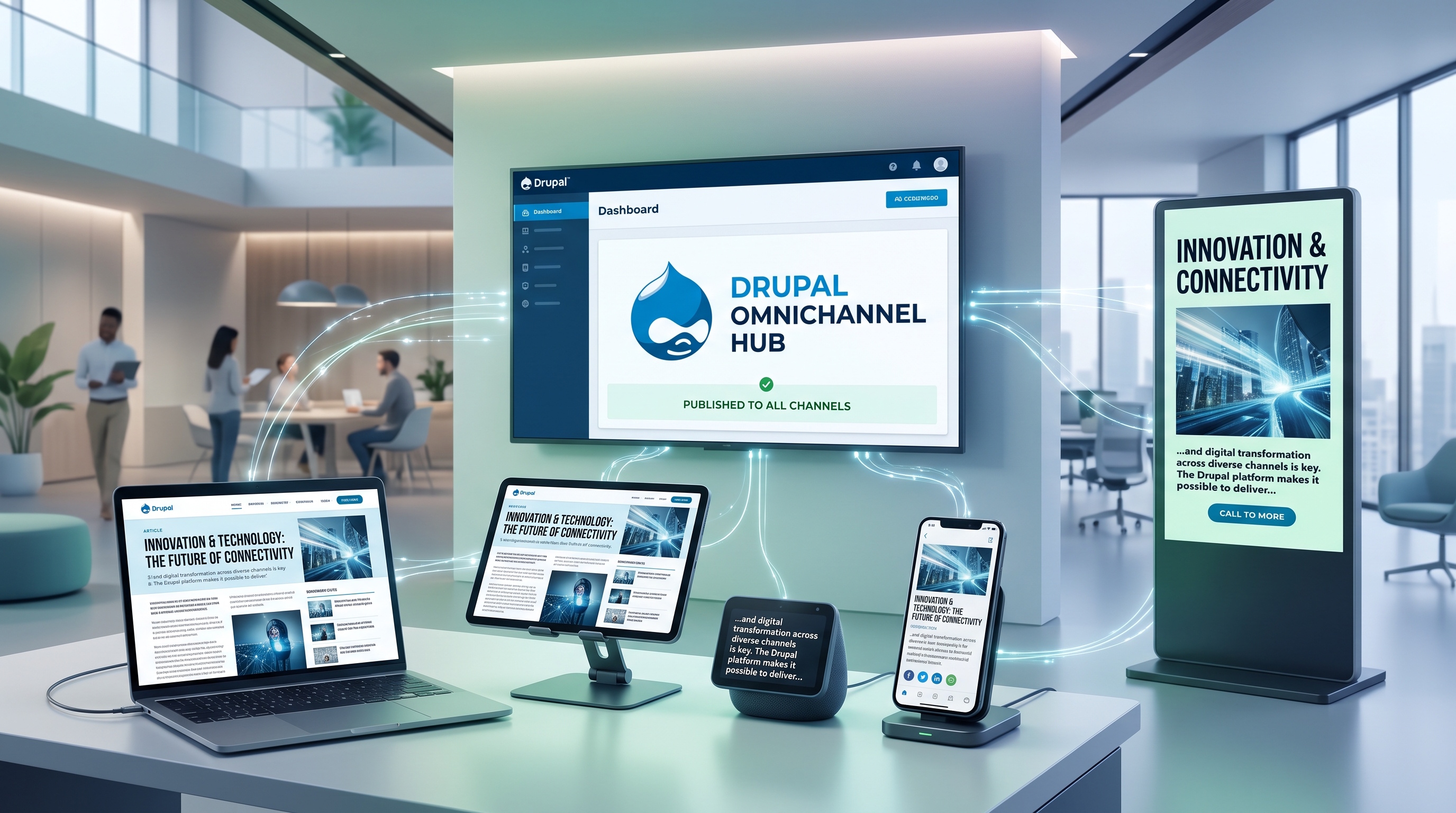
Drupal’s Role in Omnichannel Publishing
Drupal is a natural choice for omnichannel publishing because of its flexible design and powerful APIs. By handling content in one place, you stay consistent, launch faster, and give your customers a much better experience. Investing in Drupal means setting up a solid foundation that grows with your audience.

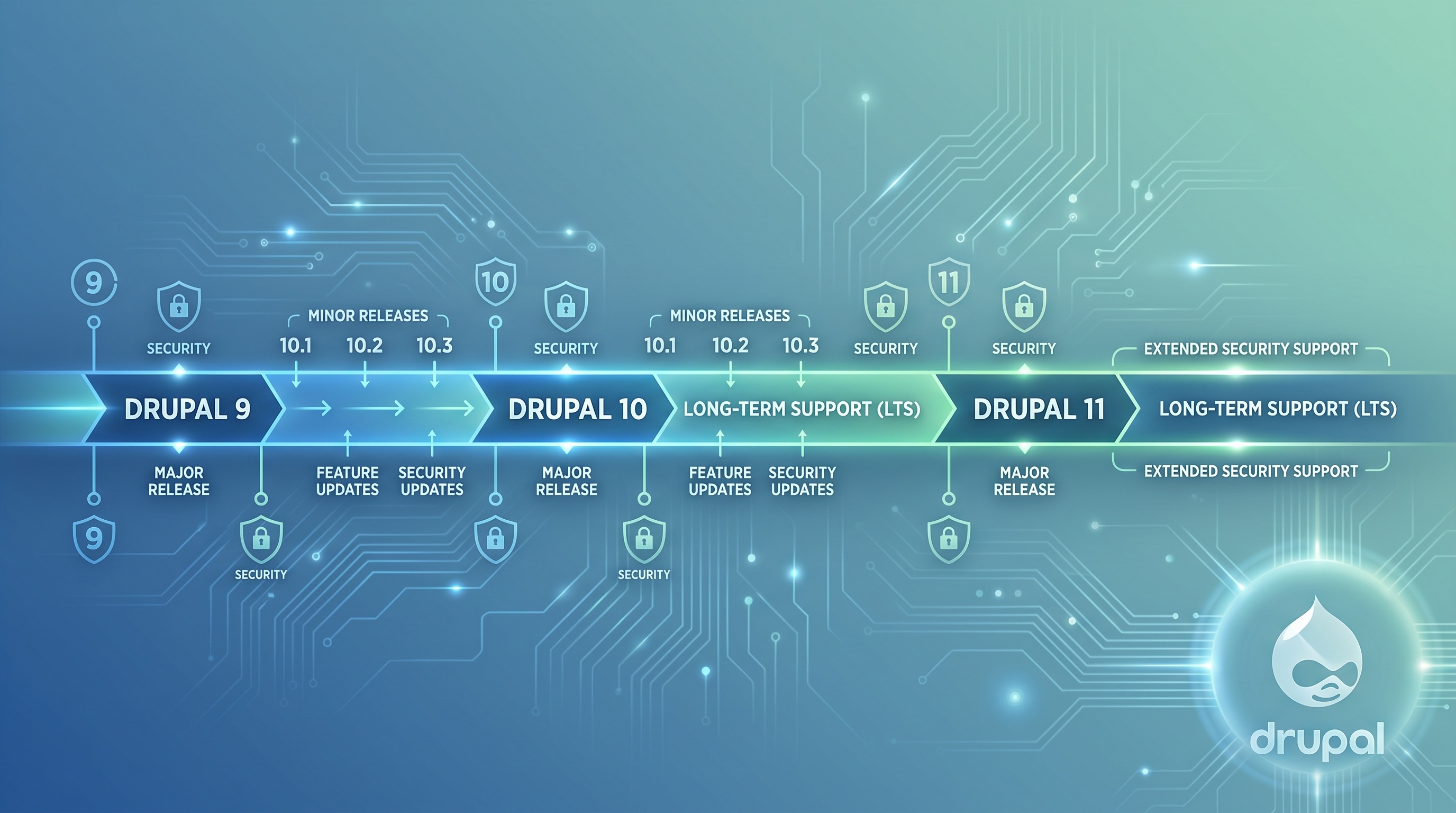
Drupal's Release Cycle and LTS Versions
Drupal is a flexible content management system, and its longevity comes from a predictable update schedule and long-term support options. Understanding how versions move from development to stable release is key for site owners, developers, and project managers. This guide covers how Drupal's release cycle works, what the support windows look like, and how to manage upgrades and LTS installations.

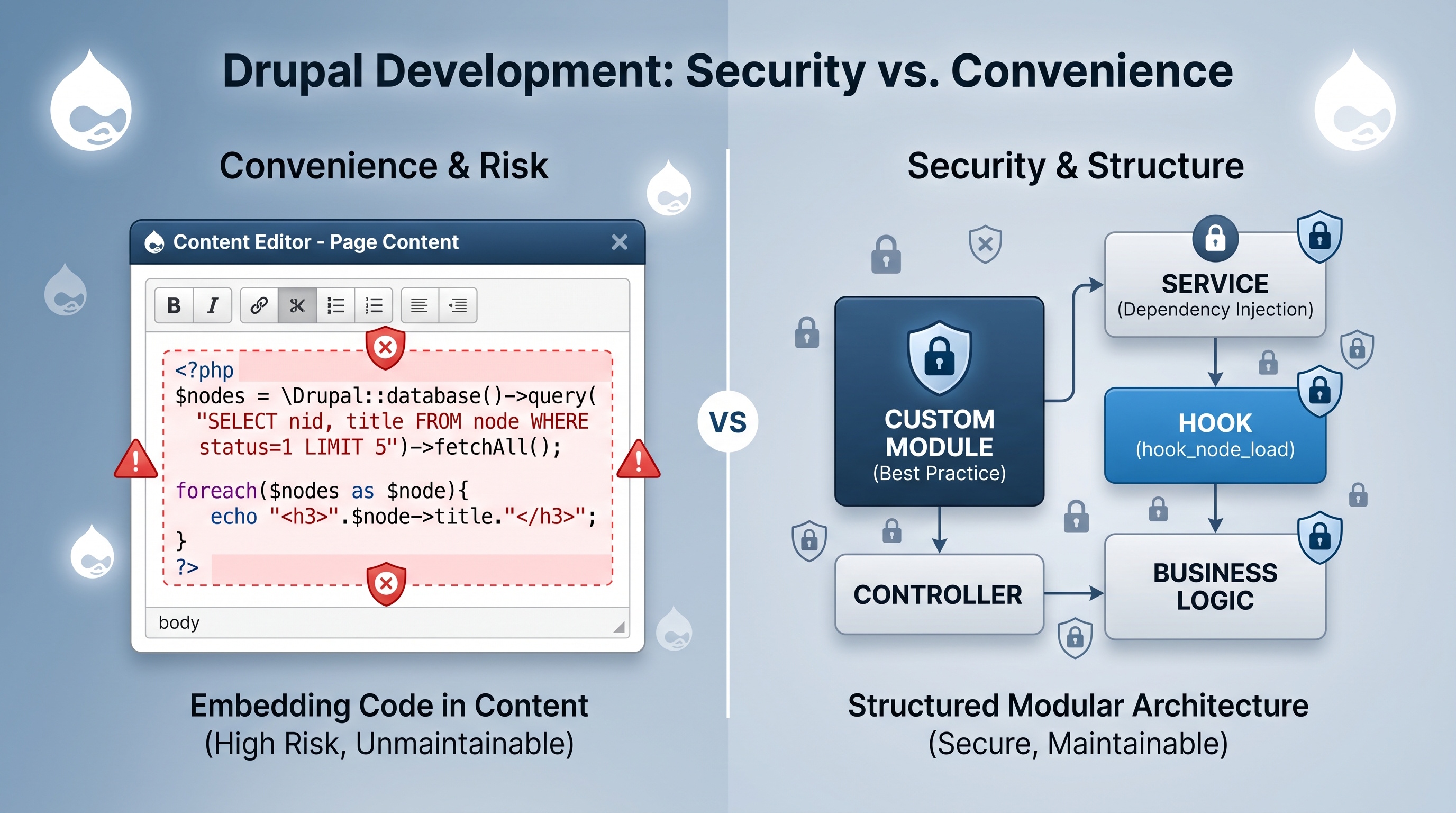
Drupal’s PHP Filter vs. Custom Modules
The PHP filter might seem like a quick fix, but it usually creates more problems than it solves. Custom modules take a little more work to set up, but they keep your site safe, fast, and easy to maintain. Unless you are just testing something very simple on a private site, stick to custom modules. Your future self will thank you for keeping the code organized and secure.

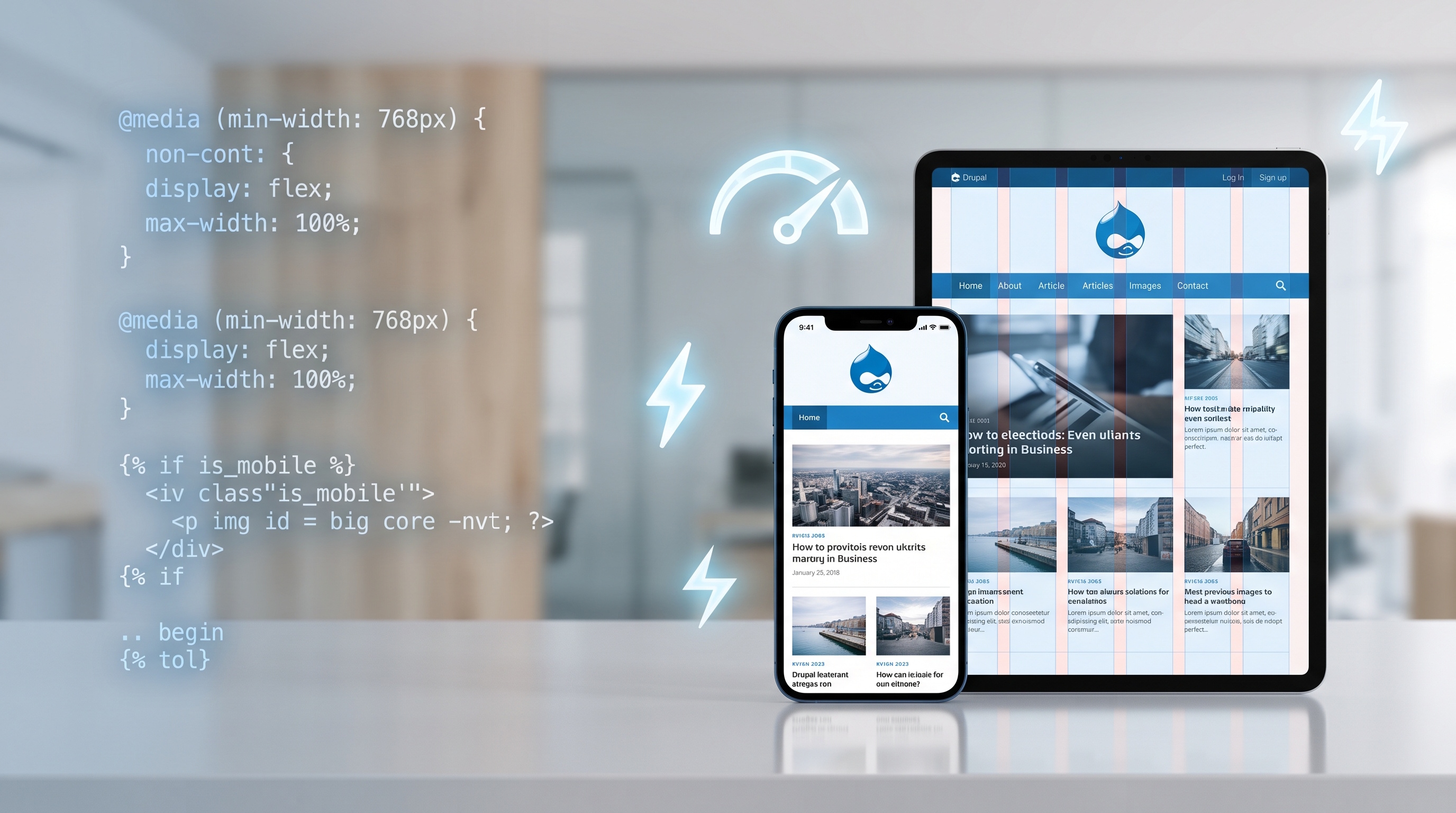
Making Your Website Mobile-First with Drupal
Drupal makes it easy to build mobile-first sites with its themes, image tools, and fast architecture. If you prioritize your content and test it thoroughly, you can create a great experience on any device. Since Drupal is flexible, your site can grow as mobile technology changes.

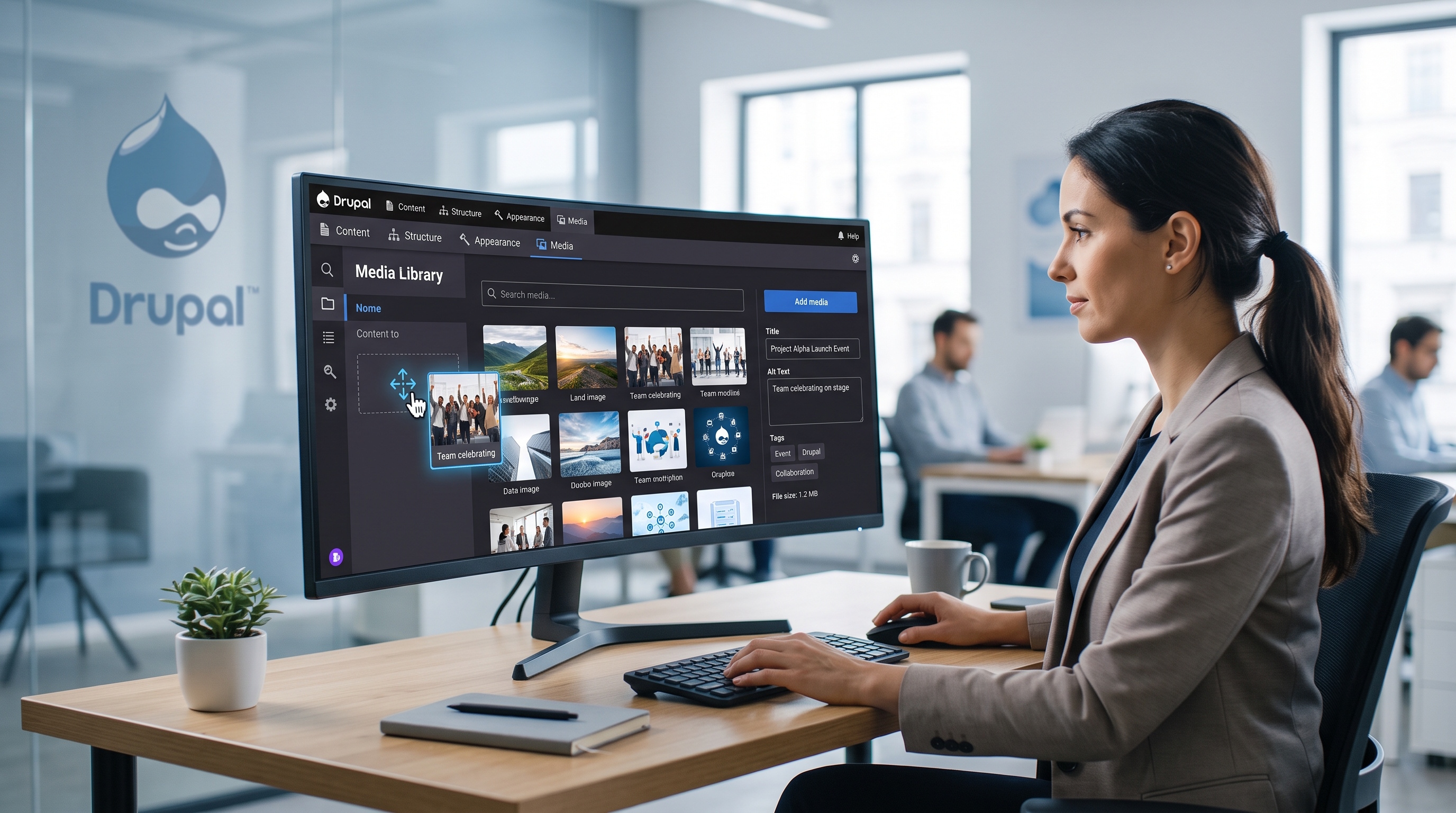
Drupal’s Media Library in Action
Drupal’s Media Library is a flexible tool that makes managing assets easier and site performance better. If you understand the basics and stick to a clean setup, you can build a reliable system for your team. Because it is modular, you can always expand it as your needs grow, whether that is through custom plugins or new automated workflows.

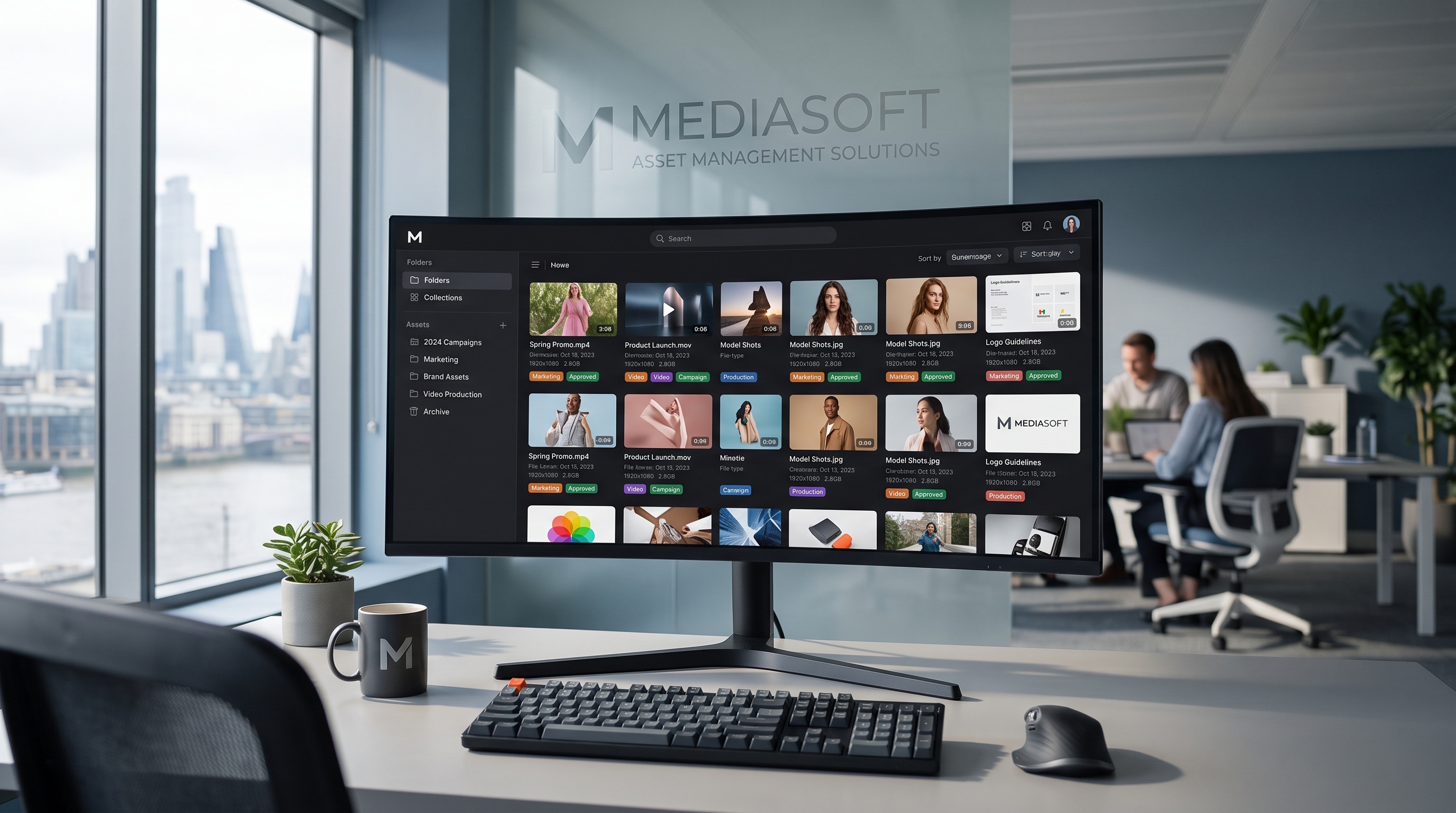
Setting Up a Media Library for Assets
Building a media library is not just a project you finish once, it is a habit that keeps your brand strong and your team fast. By setting clear rules, picking the right tech, and sticking to your naming and tagging habits, you can make the most of your files. Checking in regularly and keeping your tools connected will make sure the library stays helpful as your business grows.


Implementing AJAX Calls with Fetch API
The Fetch API makes working with AJAX much simpler by using promises and a clean syntax. If you handle errors correctly and keep security in mind, you can build very reliable connections between your app and your server. Using these techniques will help you create fast, modern web applications that provide a great experience for your users.
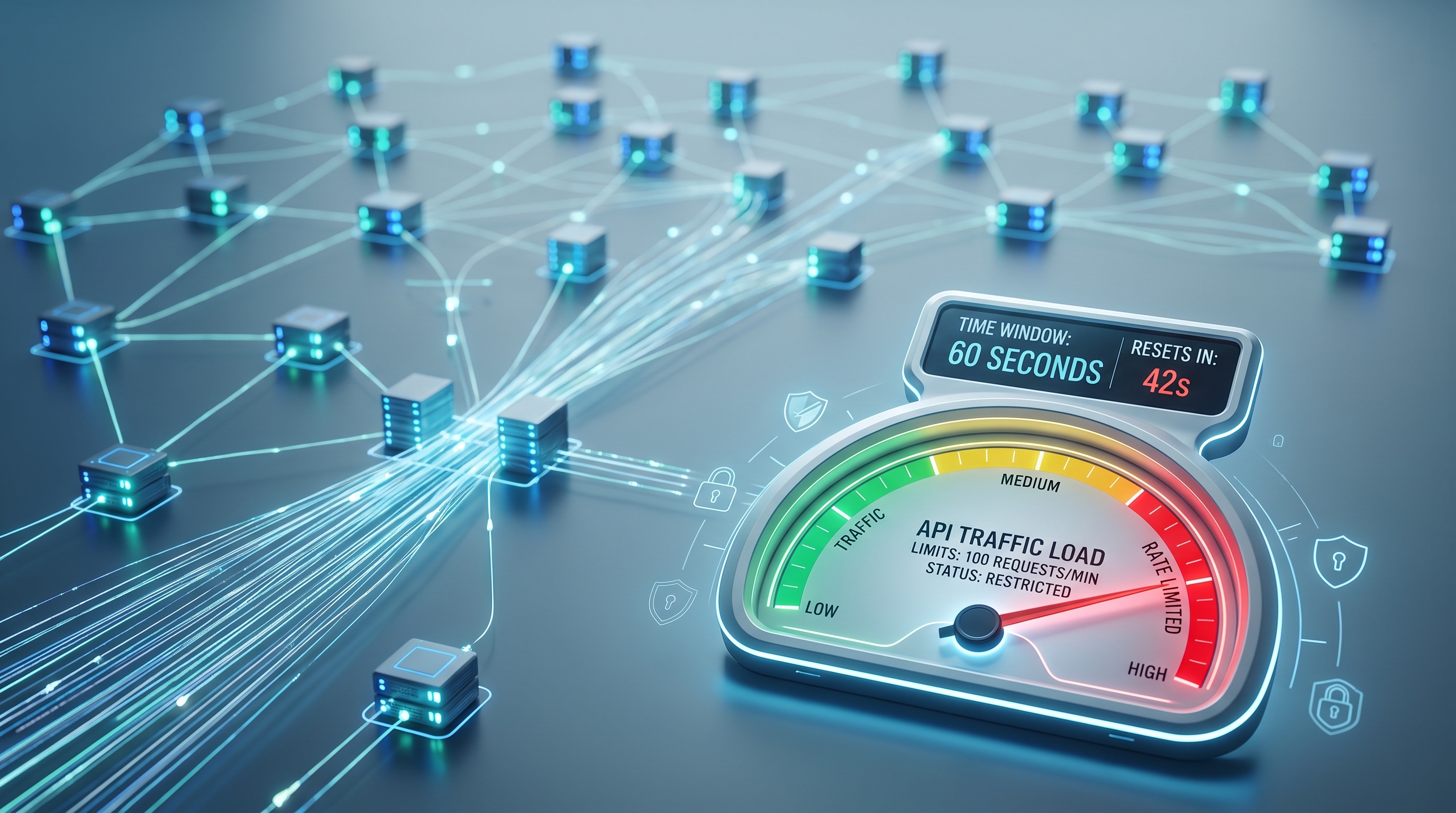
Rate Limiting API Endpoints
Basically, if you run an API, you need rate limiting. It protects your servers, keeps costs down, and ensures the app stays fast for everyone. Just pick a method that fits your needs, be clear with your users about the rules, and keep an eye on things as you grow.

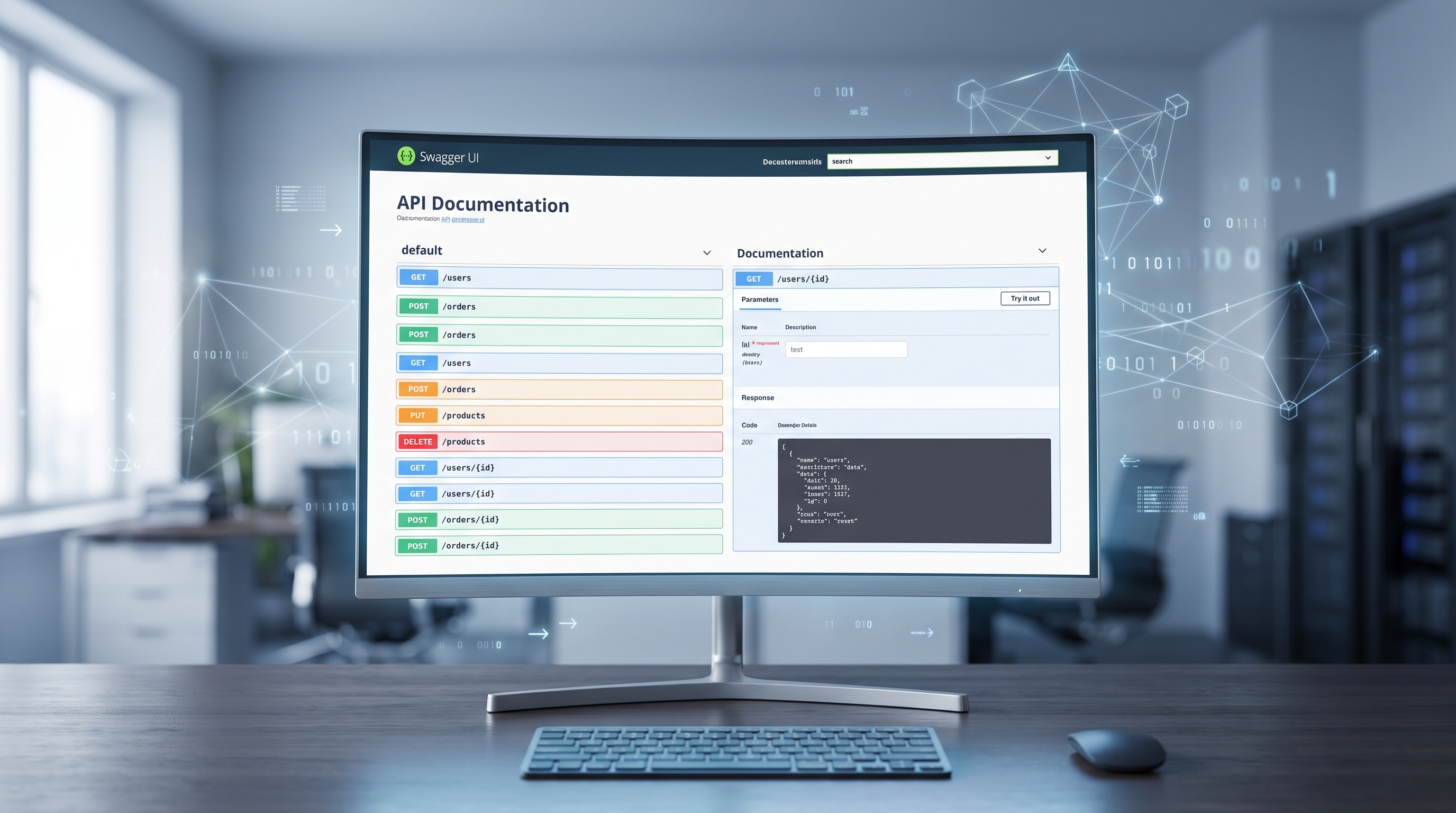
Documentation with Swagger UI
Swagger UI is a simple way to make your APIs easier to use. By keeping your spec accurate and setting up the UI correctly, you can provide a useful tool for your team and anyone else building on your platform. It takes a bit of work to get the details right, but it saves everyone a lot of time in the long run by making your API documentation clear and interactive.