
Drupal is a natural choice for omnichannel publishing because of its flexible design and powerful APIs. By handling content in one place, you stay consistent, launch faster, and give your customers a much better experience. Investing in Drupal means setting up a solid foundation that grows with your audience.
Introduction
Audiences today jump between websites, apps, social media, and voice assistants constantly. For brands, keepin a message consistent across all these spots isn't just a nice perk anymore; it's necessary. Omnichannel publishing makes this happen by letting you manage everything from one place. Drupal is a great fit here because it's modular, handles complex data well, and can grow as large as you need. We'll look at how Drupal makes this work and how to set it up for your own team.
Understanding Omnichannel Publishing
Definition and Business Impact
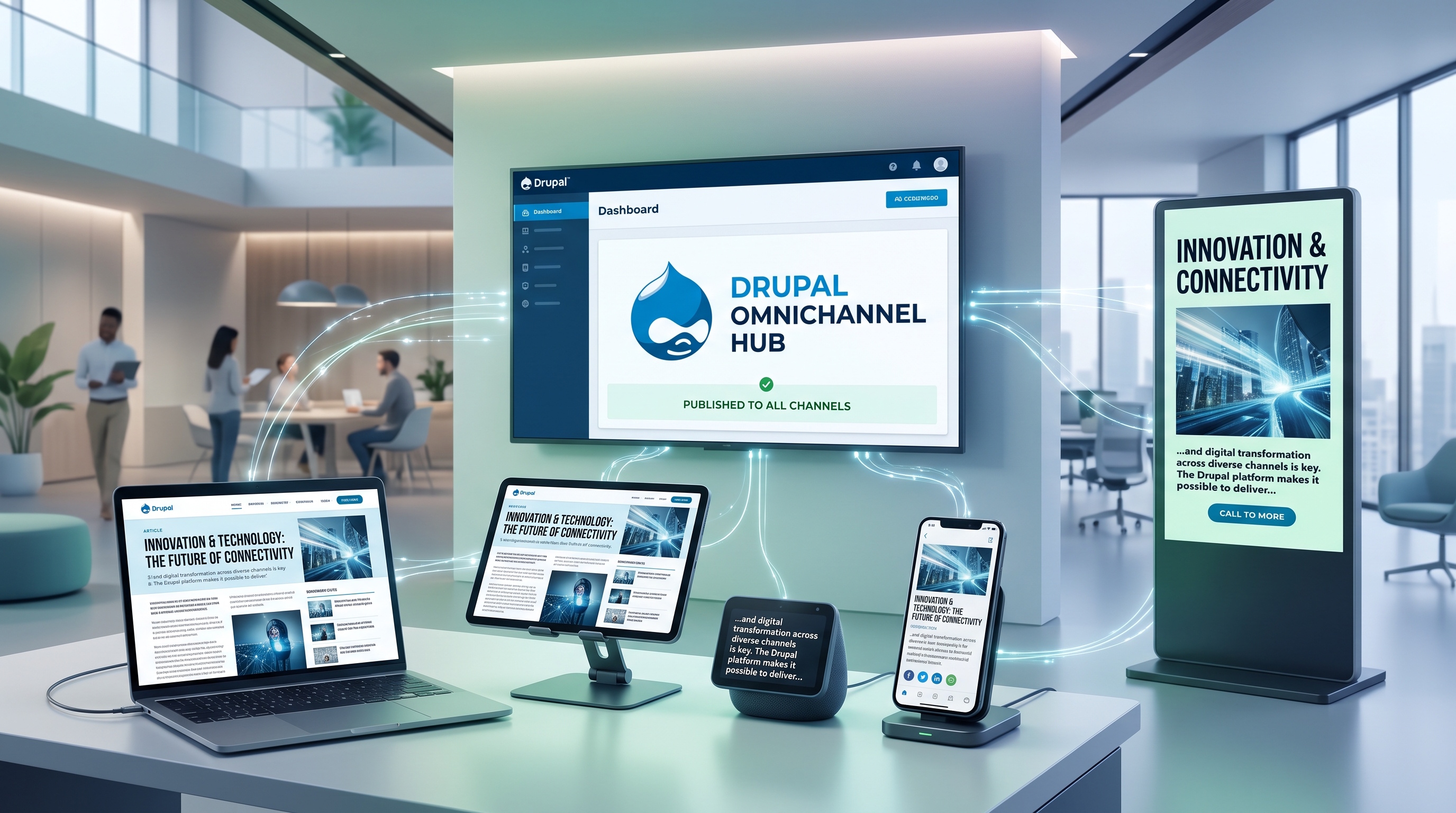
Omnichannel publishing is the practice of creating content once and delivering it seamlessly across multiple digital and physical channels. The approach emphasizes:
- Consistency of brand voice and visual identity.
- Real‑time adaptation of content based on device, location, or user preference.
- Centralized governance that reduces duplication and errors.
When you get this right, people engage more, you see better conversion rates, and you can launch campaigns much faster. Companies using a unified strategy often see customer satisfaction go up by 30% while spending less time on busywork.
Why Drupal Is Suited for Omnichannel Strategies
Open‑Source Flexibility
Since Drupal is open source, you can look at every line of code and change it to fit your needs. You can add custom modules or link it to other services without getting stuck with one vendor. This makes it much easier to try new things quickly.
Content Modeling and Taxonomy
Drupal keeps your content separate from how it looks. You define things like "Products" with specific fields for titles, prices, and images. Because this information is structured, you can send it to a website, a mobile app, or even a smart speaker without having to rewrite anything.
Multilingual and Localization Support
For brands working in different countries, Drupal handles translations right out of the box. Your team can manage all languages in one spot, and the system makes sure the right version reaches the right person.
Core Drupal Features That Enable Omnichannel Delivery
- Content APIs (JSON:API or GraphQL) turn your content into data that apps, websites, and devices can easily read.
- Layout Builder lets editors build specific looks for different channels while using the same base info.
- Media Management acts as a central hub for your photos and videos, automatically resizing them for whatever screen they land on.
- Workflows make sure nothing goes live until it's approved, moving items from "Draft" to "Review" and then "Published."
- Configuration Management keeps your settings in files, so your site works exactly the same in testing as it does for your customers.
Integration Patterns for Multiple Channels
Drupal often sits at the center of a larger tech stack. Here are a few ways teams set it up:
- Headless Setup, where Drupal sends content to a custom front-end built with tools like React or Vue.
- Hybrid Rendering lets you keep the standard Drupal pages for SEO while using modern tech for interactive bits.
- Event-Driven Publishing uses triggers to update social media or digital signs immediately whenever you change something in Drupal.
- SaaS Connectors link your content to marketing tools, CRMs, and online stores.
Case Studies and Real‑World Examples
- Retail Brand A leveraged Drupal’s JSON:API to power a progressive web app that displayed personalized product recommendations based on user behavior captured on the main website. The single source of truth reduced content duplication by 45 %.
- Media Publisher B adopted Drupal’s Layout Builder to create channel‑specific article templates for web, AMP, and email newsletters. The workflow allowed editors to publish once and automatically generate all three formats.
- Healthcare Provider C used Drupal’s multilingual capabilities to deliver patient education materials in six languages across web portals, mobile health apps, and interactive kiosks, improving compliance rates for post‑procedure instructions.
Best Practices for Implementing Omnichannel with Drupal
- Map out your content. Look at what you have, figure out what can be reused, and name your fields clearly for every channel.
- Think API first. Get your endpoints ready early so your developers know exactly what data they have to work with.
- Control access. Use Drupal's permissions to decide exactly who can edit or publish content for each specific channel.
- Use smart caching. Mix Drupal's internal cache with a CDN to make sure your content loads fast everywhere in the world.
- Automate the boring stuff. Set up pipelines to check for bugs and security issues every time you push a change.
- Watch the numbers. Use analytics to see which content is actually working, then use those insights to improve your strategy.
Conclusion
Drupal is a natural choice for omnichannel publishing because of its flexible design and powerful APIs. By handling content in one place, you stay consistent, launch faster, and give your customers a much better experience. Investing in Drupal means setting up a solid foundation that grows with your audience.