

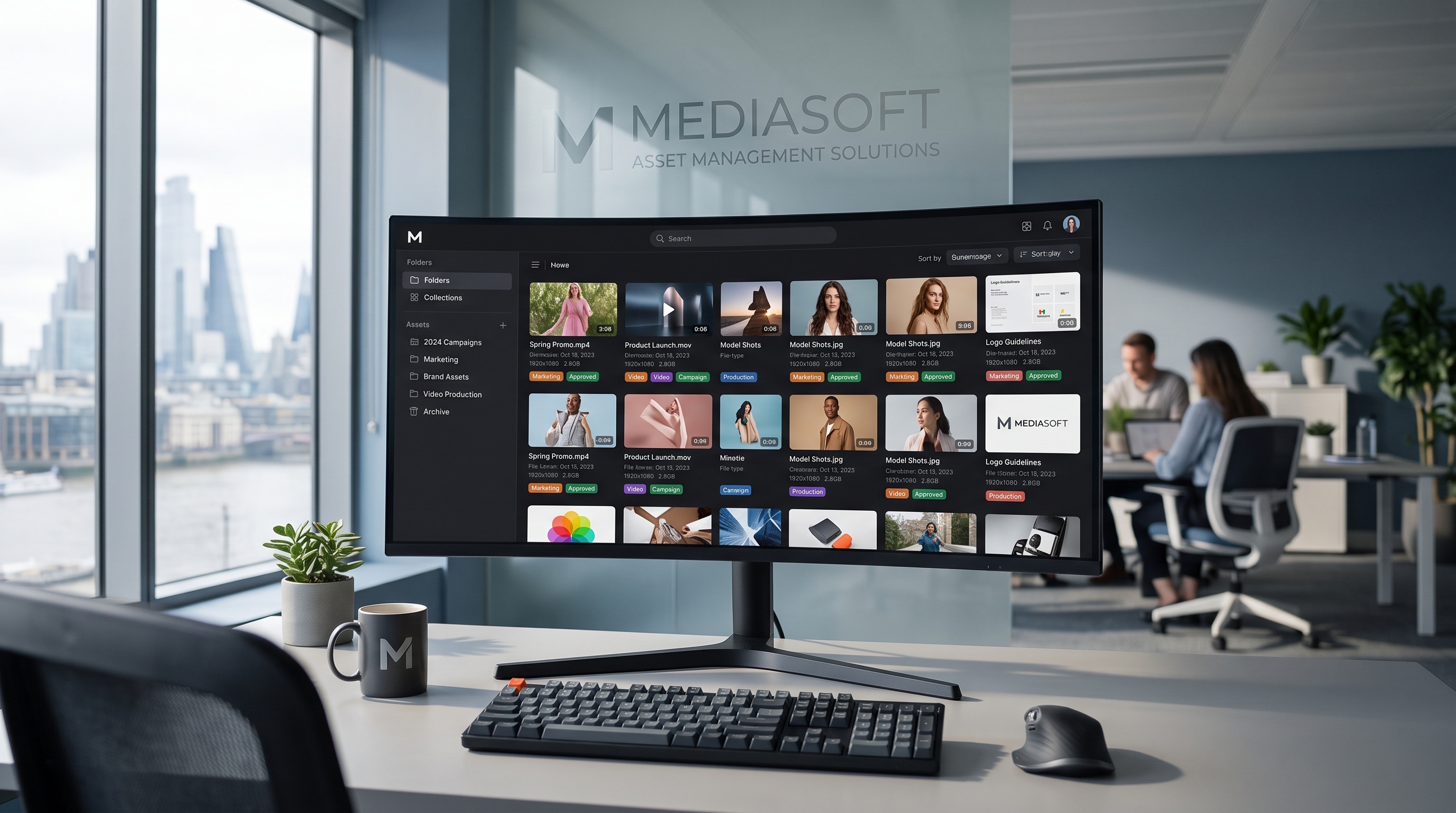
Building a media library is not just a project you finish once, it is a habit that keeps your brand strong and your team fast. By setting clear rules, picking the right tech, and sticking to your naming and tagging habits, you can make the most of your files. Checking in regularly and keeping your tools connected will make sure the library stays helpful as your business grows.
Introduction
A well‑organized media library is vital for any modern digital workflow. Whether you are managing photos for marketing, video clips for a studio, or icons for a software product, having a system in place saves time, reduces mistakes, and keeps your brand consistent. This guide walks you through how to plan, build, and take care of a media library that grows with your team. These tips work for small groups and large companies alike.
Why a Structured Media Library Matters
Consistency and Brand Integrity
- Storing everything in one place means everyone on the team uses the same approved files.
- Tracking versions stops people from using old logos or colors in public projects.
Efficiency and Productivity
- Using simple naming rules means you spend less time hunting for files.
- Adding tags helps you filter through large collections quickly.
Legal and Compliance Safeguards
- You can mark files with specific usage rules if they have limited rights.
- Keeping a history of who changed what helps with audits and rules.
Planning Your Media Library
Define Your Goals and Team
1. Figure out which files you need to store, like images, video, audio, or documents.
2. Make a list of all the teams that will use the library, such as marketing, design, or legal.
3. Pick a small group of people to set the rules and keep things running smoothly.
Choose a Storage Solution
- On‑premises servers, which are good for companies that need to keep data on their own hardware.
- Cloud‑based management platforms, which offer easy access from anywhere and built‑in tools for organizing.
- Hybrid setups, which use local storage for fast editing and the cloud for backups.
When you look at different tools, think about:
- How well they connect with the software you already use.
- Whether they can automatically change file formats for you.
- How much control you have over who can see or edit specific files.
Organize Your Categories
A simple folder setup and tagging system are key. Start with main categories like:
- Brand Assets, such as logos, guides, and color sets.
- Marketing Campaigns, sorted by date or product.
- Product Media, like screenshots and demo videos.
Inside these folders, use subfolders for things like drafts, approved files, and archives. Also, add details to your files like the creator, date, and keywords to make them easier to find.
Building the Library
Naming Your Files
A solid naming plan makes everything clear. A common pattern looks like this:
```
[Project]_[Type]_[Description]_[Version]_[Date].[Extension]
```
Example: Q3_2024_Brand_Logo_Main_V2_20241015.png
A few simple rules:
- Only use letters, numbers, hyphens, and underscores.
- Keep names short but helpful.
- Always include version numbers so you can see changes.
Tags and Details
Fill in the main info when you upload a file. Encourage your team to add extra tags like the campaign name or region. Some tools can even pull this info automatically from your photos to save you time.
Access Controls
Set up permissions based on what people need to do:
- Admins, who have full access and set the rules.
- Uploaders, who can add and edit their own files.
- Viewers, who can only see and use approved assets.
Matching these groups to your department structure makes managing them much easier.
Automating Your Work
Use your library’s tools to handle review steps for you:
1. Upload, a team member adds a new file.
2. Review, someone is notified to check it.
3. Approval, the status changes to approved and everyone can find it.
4. Publish, the file gets pushed to your site or social media.
Automating these steps cuts down on manual emails and keeps things following brand rules.
Maintaining the Library
Regular Checks
Set a schedule to check the library every few months to:
- Get rid of extra or old files.
- Make sure your tags are still accurate.
- Check that you still have the rights to use those assets.
Write down what you find and assign tasks to the right person to fix any issues.
Backup and Recovery
Even if your files are in the cloud, it is smart to have your own backup plan. Try to:
- Make daily backups of any new changes.
- Save a full copy once a month in a different location.
Test these backups twice a year to make sure they actually work if you ever need them.
Training and Guides
Create a simple guide that covers:
- How to upload files correctly.
- The standards for naming and tagging.
- How to ask for a file to be approved.
Hold quick training sessions for new hires and short refreshers for everyone else. When people know how to use the system, things stay organized.
Connecting the Library to Your Other Tools
Website Management Tools
Most website platforms can connect directly to your media library. Set this up so you can pull approved images straight onto your pages without having to download them first.
Design Apps
Using plugins for your design software lets you find library assets without leaving the app. This helps designers use the latest logos while staying focused on their work.
Marketing and Social Media
Link your library to your email and social media tools. This makes sure the right visuals are automatically ready for every message you send out.
How to Measure Your Progress
Keep an eye on a few numbers to see how well the library is working:
- Search success, which is how often people find exactly what they need.
- Publishing speed, or how long it takes to go from a new file to a finished post.
- Duplicate count, which tracks how many extra copies of files you find.
Use this info to improve your process and show why keeping the library organized is worth the effort.
Conclusion
Building a media library is not just a project you finish once, it is a habit that keeps your brand strong and your team fast. By setting clear rules, picking the right tech, and sticking to your naming and tagging habits, you can make the most of your files. Checking in regularly and keeping your tools connected will make sure the library stays helpful as your business grows.