

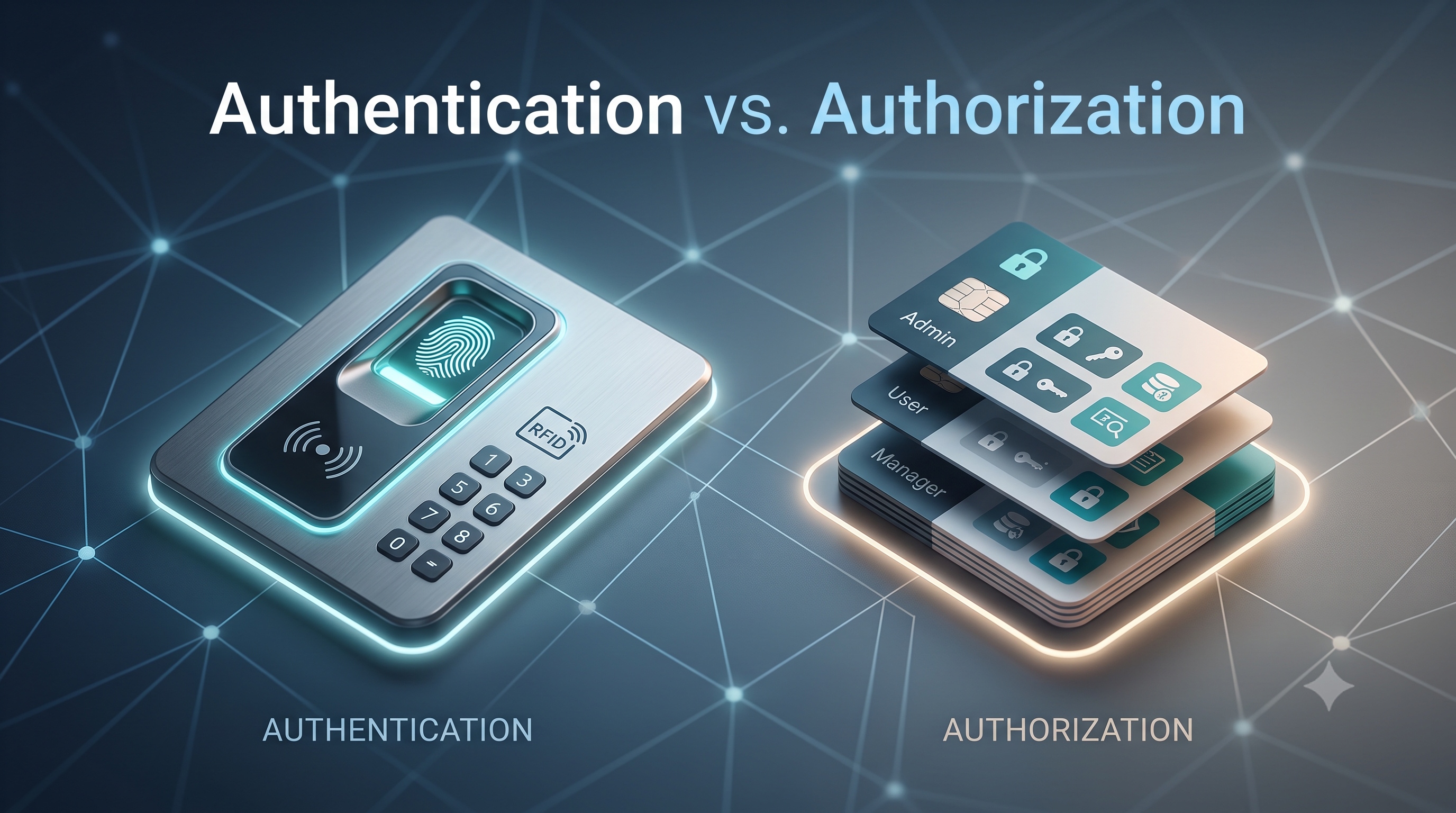
Authentication and authorization are complementary pillars of access control. Authentication answers “who” by verifying identity, while authorization answers “what” by enforcing permissions based on that identity. Confusing the two can lead to insecure designs, data breaches, and regulatory penalties. A clear separation of responsibilities, combined with robust implementation strategies such as multi‑factor authentication, fine‑grained policy evaluation, and continuous monitoring, creates a strong security foundation. As threats evolve, organizations must revisit both mechanisms regularly, ensuring that they remain aligned with business goals and emerging compliance requirements.
Introduction
In modern software development, security is a foundational concern. Two concepts that frequently appear in design discussions are authentication and authorization. Although the terms are often used interchangeably, they address distinct aspects of access control. Understanding the difference between them is essential for building systems that protect data, comply with regulations, and deliver a seamless user experience. This article provides a comprehensive comparison, explores common implementations, and outlines best practices for integrating both mechanisms effectively.
Understanding Authentication
What is Authentication?
Authentication is the process of verifying the identity of a user, device, or service. It answers the question “Who are you?” by confirming that the presented credentials belong to the claimed entity. Successful authentication establishes a trusted relationship that allows the system to recognize the requester in subsequent interactions.
Common Authentication Methods
- Password‑based authentication – Users provide a secret string that is compared to a stored hash.
- **Multi‑factor authentication (MFA)** – Combines two or more factors such as something you know, something you have, or something you are.
- Biometric authentication – Uses unique physiological traits like fingerprints or facial features.
- Token‑based authentication – Issues a signed token (for example JWT) after initial login; the token is presented on each request.
- Certificate‑based authentication – Relies on digital certificates issued by a trusted authority to verify device or service identity.
Each method varies in security strength, usability, and implementation complexity. Selecting the right approach depends on the risk profile of the application and the expectations of its users.
Understanding Authorization
What is Authorization?
Authorization determines what an authenticated entity is allowed to do. It answers the question “What can you access?” by evaluating permissions, roles, or policies associated with the verified identity. Authorization decisions are made after authentication and can be fine‑grained, controlling access to individual resources, actions, or data fields.
Types of Authorization
- **Role‑Based Access Control (RBAC)** – Assigns permissions to roles; users acquire permissions by being placed in a role.
- **Attribute‑Based Access Control (ABAC)** – Evaluates policies based on attributes of the user, resource, environment, and action.
- **Policy‑Based Access Control (PBAC)** – Uses high‑level policies expressed in languages such as XACML to make decisions.
- **Discretionary Access Control (DAC)** – Allows resource owners to grant or revoke access at their discretion.
- **Mandatory Access Control (MAC)** – Enforces system‑wide policies that cannot be altered by individual users.
These models can be combined to meet complex security requirements. For example, an organization might use RBAC for most internal systems while applying ABAC for external APIs that depend on contextual data such as location or time.
How Authentication and Authorization Work Together
Authentication and authorization are sequential steps in a typical request lifecycle. Authentication creates a security context; authorization consumes that context to enforce access rules.
Typical Workflow
- User initiates login – Provides credentials (password, OTP, biometric data).
- Authentication service validates credentials – Generates a session identifier or token upon success.
- Token is attached to subsequent requests – Usually via an HTTP header or cookie.
- Authorization middleware extracts identity – Reads the token, verifies its integrity, and retrieves associated user attributes.
- Policy engine evaluates request – Checks the user’s roles, attributes, and the requested resource against defined policies.
- Access decision is returned – Allows the request to proceed or returns an error such as 403 Forbidden.
Separating these concerns enables modular design. Authentication can be handled by a dedicated identity provider, while authorization logic resides within each service or a centralized policy decision point.
Common Misconceptions
Misconception 1: Authentication Grants Access
Many developers assume that once a user is authenticated, they automatically have permission to all resources. In reality, authentication only confirms identity; without proper authorization checks, a system may inadvertently expose sensitive data.
Misconception 2: Authorization Can Replace Authentication
Some security frameworks allow anonymous users to be assigned limited permissions. While this is useful for public resources, it does not replace the need for authentication when actions require accountability or auditability.
Best Practices for Secure Systems
- Implement Multi‑Factor Authentication – Reduces risk of credential theft.
- Use Short‑Lived Tokens – Limits exposure if a token is compromised.
- Adopt Least Privilege Principles – Grant only the permissions necessary for a role or attribute.
- Centralize Policy Management – Facilitates consistent enforcement across services.
- Log Authentication and Authorization Events – Supports forensic analysis and compliance reporting.
- Regularly Review and Rotate Secrets – Includes passwords, API keys, and certificates.
- Employ Defense‑in‑Depth – Combine network segmentation, encryption, and runtime security checks with authentication and authorization controls.
By integrating these practices, organizations can build resilient architectures that protect assets while maintaining a smooth user experience.
Conclusion
Authentication and authorization are complementary pillars of access control. Authentication answers “who” by verifying identity, while authorization answers “what” by enforcing permissions based on that identity. Confusing the two can lead to insecure designs, data breaches, and regulatory penalties. A clear separation of responsibilities, combined with robust implementation strategies such as multi‑factor authentication, fine‑grained policy evaluation, and continuous monitoring, creates a strong security foundation. As threats evolve, organizations must revisit both mechanisms regularly, ensuring that they remain aligned with business goals and emerging compliance requirements.