

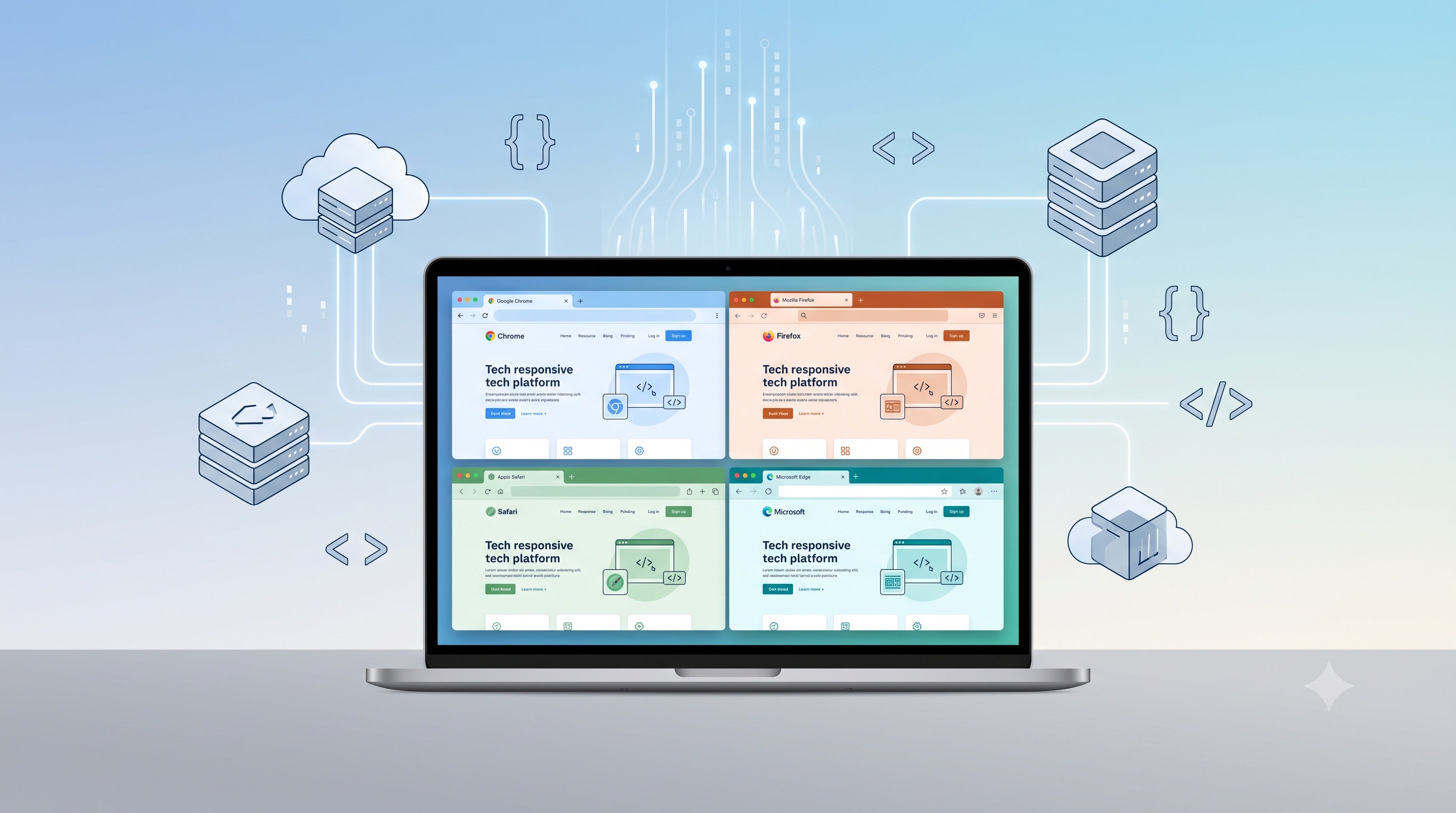
Cross-browser testing is no longer an optional quality gate; it is a strategic necessity for delivering reliable, inclusive, and competitive web experiences. By defining a data-driven matrix, leveraging modern automation and visual tools, and embedding testing into a continuous delivery pipeline, teams can mitigate risk, accelerate releases, and maintain high user satisfaction across the entire browser ecosystem. Consistent adherence to the practices outlined in this guide will enable organizations to stay ahead of compatibility challenges and focus on building innovative features rather than firefighting browser bugs.
Introduction
In today’s fragmented web ecosystem, users access applications from a wide range of browsers, operating systems, and devices. A feature that works flawlessly in one environment may break in another, leading to lost conversions, damaged brand reputation, and increased support costs. Cross-browser testing is the systematic process of verifying that a web application delivers a consistent experience across all target platforms. This article provides an authoritative guide to planning, executing, and maintaining an effective cross-browser testing strategy. The recommendations are based on industry best practices, real-world case studies, and the latest automation tools.
Why Cross-Browser Testing Matters
- User Expectations – Modern users expect a seamless experience regardless of the browser they choose. A single visual glitch can cause frustration and abandonment.
- Market Share Distribution – While a few browsers dominate the market, niche browsers still represent a measurable share of traffic, especially in enterprise environments.
- Regulatory Compliance – Certain industries require accessibility and compatibility standards that must be demonstrated across multiple browsers.
- Competitive Advantage – Consistent performance builds trust and differentiates a product from competitors that neglect less popular browsers.
Core Principles of Effective Testing
Define the Target Matrix
A clear matrix of browsers, versions, operating systems, and device types is the foundation of any testing effort. The matrix should be derived from:
- Analytics data that shows actual user distribution.
- Business requirements that specify mandatory platforms (e.g., legacy browsers for corporate clients).
- Industry trends that highlight upcoming version releases.
Prioritize Based on Risk
Not every combination carries the same risk. Prioritization criteria include:
- Frequency of use among target users.
- Historical defect density for specific browsers.
- Complexity of features that rely on browser-specific APIs.
Separate Functional and Visual Validation
Functional testing ensures that core logic works, while visual testing validates layout, typography, and color fidelity. Both aspects must be covered to guarantee a holistic user experience.
Tools and Frameworks
Automation Platforms
- Selenium WebDriver – Provides language-agnostic control of browsers and integrates well with CI pipelines.
- Playwright – Offers native support for Chromium, WebKit, and Firefox with powerful auto-waiting capabilities.
- Cypress – Focuses on developer experience and fast feedback loops for modern JavaScript applications.
Visual Regression Solutions
- Applitools Eyes – Uses AI to detect visual differences across browsers and screen sizes.
- BackstopJS – Open-source tool that generates pixel-perfect screenshots for comparison.
- Percy – Integrates with CI to provide visual diffs on each pull request.
Cloud-Based Device Farms
- BrowserStack – Provides instant access to a wide range of real browsers and devices without maintaining an in-house lab.
- Sauce Labs – Offers parallel testing across multiple platforms and detailed performance metrics.
- Microsoft Playwright Test on Azure – Leverages Azure’s global infrastructure for scalable testing.
Practical Workflow
1. Requirement Gathering
Capture functional specifications, design mockups, and accessibility guidelines. Identify any browser-specific dependencies such as polyfills or vendor prefixes.
2. Matrix Construction
Use analytics to select the top 5-7 browser-OS combinations that cover 95% of traffic. Add any mandatory legacy configurations.
3. Test Case Development
- Write modular, reusable test scripts that separate navigation, data entry, and assertions.
- Include visual checkpoints at critical UI states.
- Tag tests with metadata indicating the browsers they target.
4. Continuous Integration Integration
- Configure the CI server to spin up containers or virtual machines for each browser in the matrix.
- Run smoke tests on every commit, and full regression suites on nightly builds.
5. Result Analysis
- Aggregate functional failures and visual diffs.
- Use dashboards to highlight flaky tests and recurring browser-specific issues.
6. Bug Triage and Fixes
- Prioritize bugs based on impact and frequency.
- Apply progressive enhancement techniques to address compatibility gaps without compromising modern browsers.
7. Documentation and Knowledge Sharing
- Record browser-specific quirks and workarounds in a shared repository.
- Conduct regular retrospectives to refine the matrix and testing approach.
Common Pitfalls and How to Avoid Them
- Over-Testing Rare Browsers – Spending excessive time on browsers that account for less than 0.5% of traffic can drain resources. Use analytics to keep the matrix lean.
- Neglecting Mobile Emulation – Desktop-only testing misses touch interactions, viewport scaling, and mobile-specific CSS. Include real device testing or accurate emulators.
- Relying Solely on Manual Checks – Manual visual inspection is error-prone and does not scale. Pair it with automated visual regression tools.
- Ignoring Polyfills and Feature Detection – Assuming modern APIs are universally available leads to runtime errors. Use libraries like Modernizr to detect support.
- Skipping Accessibility Validation – Accessibility failures often surface only in certain browsers. Integrate tools such as axe-core into the testing pipeline.
Best Practices Checklist
- Maintain an up‑to‑date browser matrix based on real user data.
- Automate functional tests across all matrix entries using a reliable framework.
- Integrate visual regression testing into every pull request.
- Run tests in parallel to reduce feedback time.
- Monitor flaky tests and address underlying instability promptly.
- Document browser-specific bugs and their resolutions for future reference.
- Review and prune the matrix quarterly to reflect shifting market trends.
Conclusion
Cross-browser testing is no longer an optional quality gate; it is a strategic necessity for delivering reliable, inclusive, and competitive web experiences. By defining a data-driven matrix, leveraging modern automation and visual tools, and embedding testing into a continuous delivery pipeline, teams can mitigate risk, accelerate releases, and maintain high user satisfaction across the entire browser ecosystem. Consistent adherence to the practices outlined in this guide will enable organizations to stay ahead of compatibility challenges and focus on building innovative features rather than firefighting browser bugs.