
Articles & Practical Guides
Engineering tips, technical tutorials, and real-world software advice from our team.

SSH Tunnels for Secure Access
SSH tunnels provide a lightweight, robust method for encrypting arbitrary TCP traffic without the overhead of a full‑scale VPN. By mastering local, remote, and dynamic forwarding, professionals can secure database connections, expose internal services safely, and create on‑demand proxy solutions. Applying strict authentication, limiting forwarding permissions, and maintaining diligent monitoring ensures that the convenience of SSH tunneling does not compromise overall security posture.

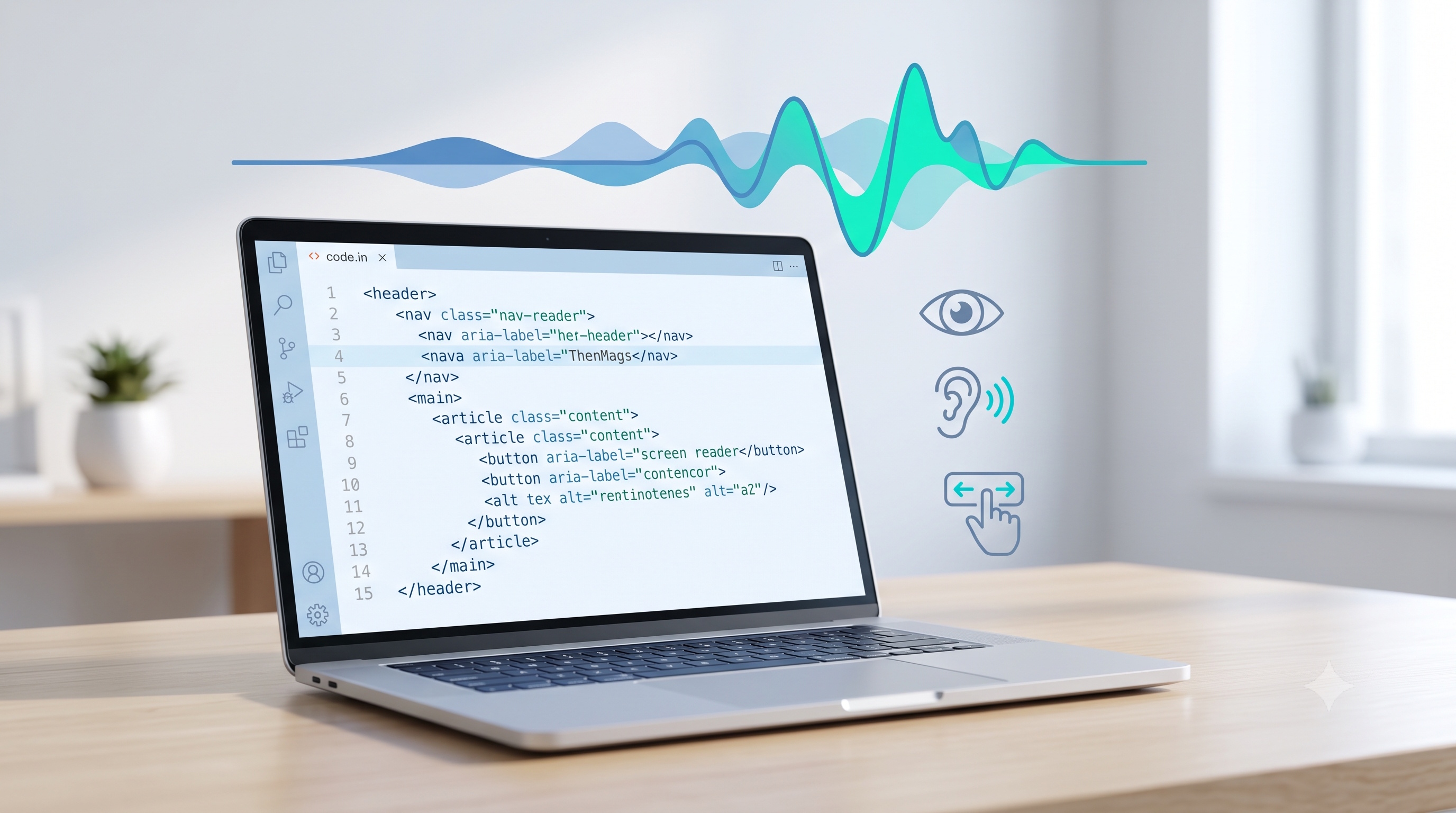
Writing Accessible HTML
Writing accessible HTML is a disciplined practice that blends semantic markup, thoughtful ARIA usage, keyboard-friendly design, and rigorous testing. By adhering to WCAG principles and integrating accessibility checks into the development pipeline, teams deliver experiences that serve the widest possible audience. The effort invested today reduces future remediation costs, enhances brand reputation, and fulfills legal obligations. Embrace accessibility as a foundational quality attribute, not an afterthought, and the web will become a more inclusive space for all users.

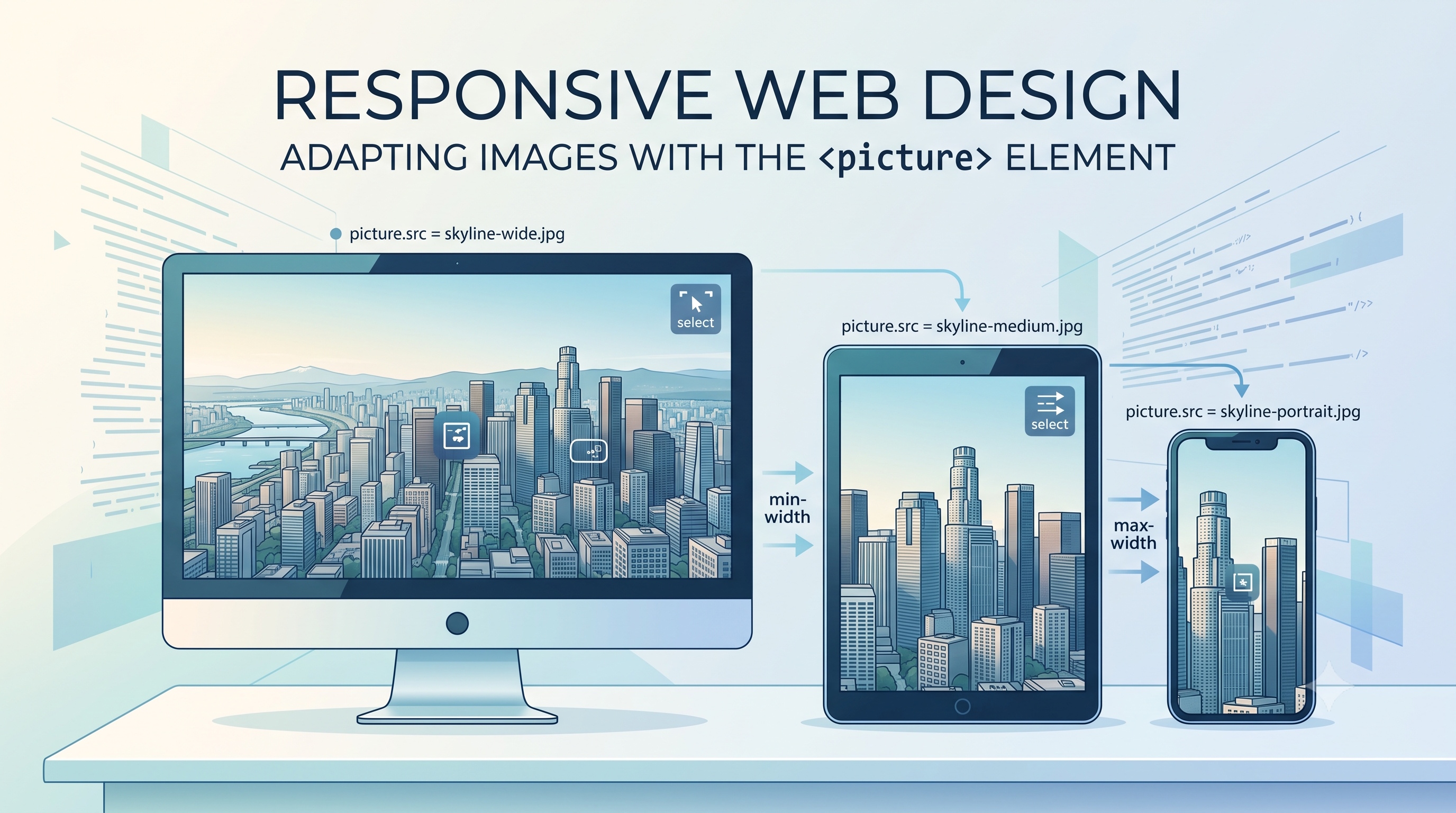
Using Picture Element for Responsive Images
Responsive design is no longer optional; it is a baseline expectation for modern web experiences. One of the most visible aspects of a responsive site is how images adapt to different screen sizes, resolutions, and device capabilities. The HTML `<picture>` element, together with `<source>` and `srcset`, provides a standards‑based solution that gives developers fine‑grained control over which image variant is delivered. This article explains the purpose of the `<picture>` element, walks through its syntax, explores advanced scenarios, and offers practical guidance for performance, testing, and deployment.

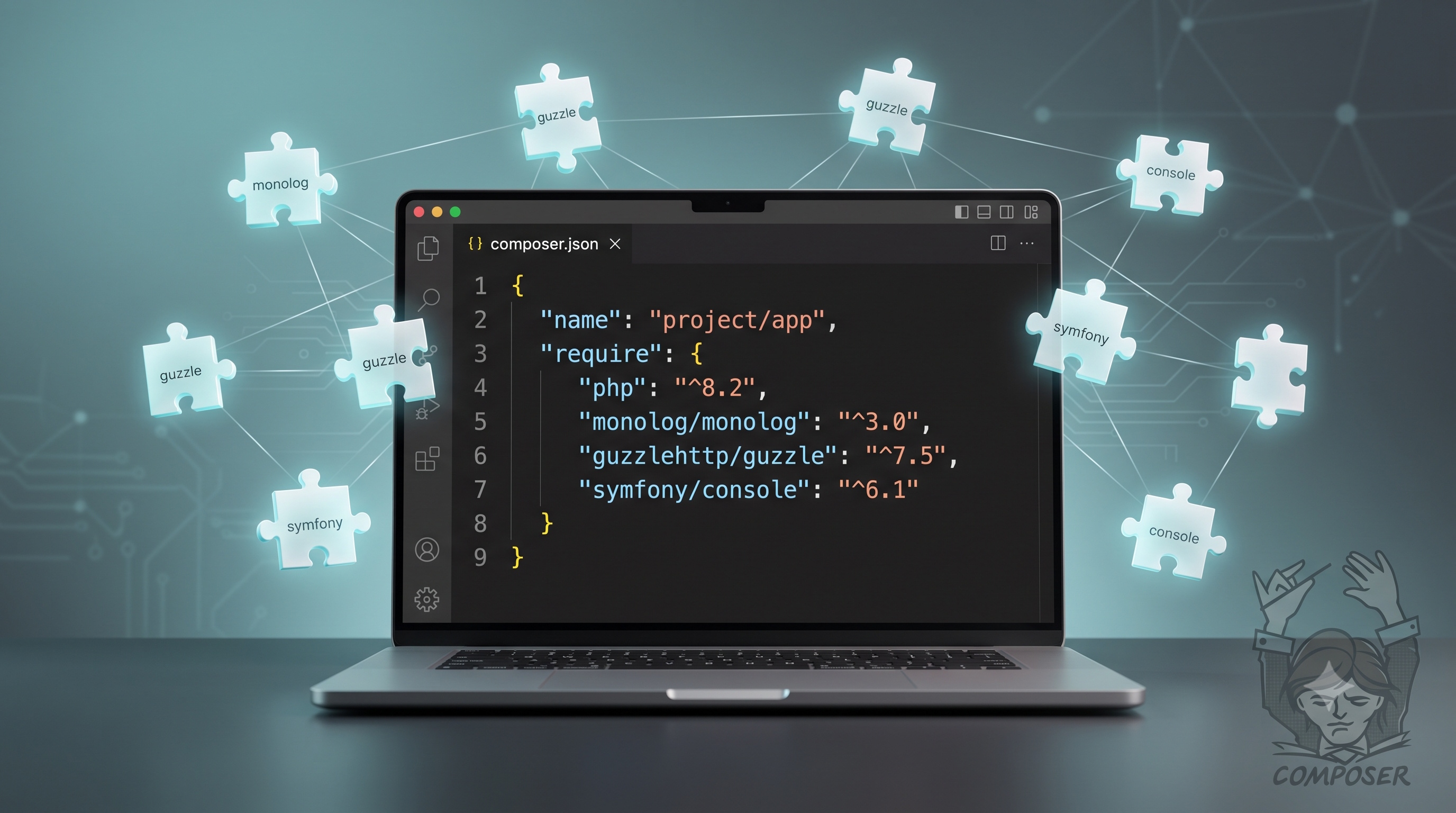
Managing Dependencies with Composer
Composer has become the de‑facto standard for PHP dependency management. By defining precise version constraints, committing the lock file, and following a disciplined workflow, development teams can achieve reproducible builds, reduce security risk, and streamline collaboration. Integrating Composer commands into continuous integration pipelines, automating security audits, and adhering to best practices ensures that a project remains maintainable as it scales. Mastery of Composer is therefore essential for any professional PHP developer who wishes to deliver reliable, secure, and performant applications.
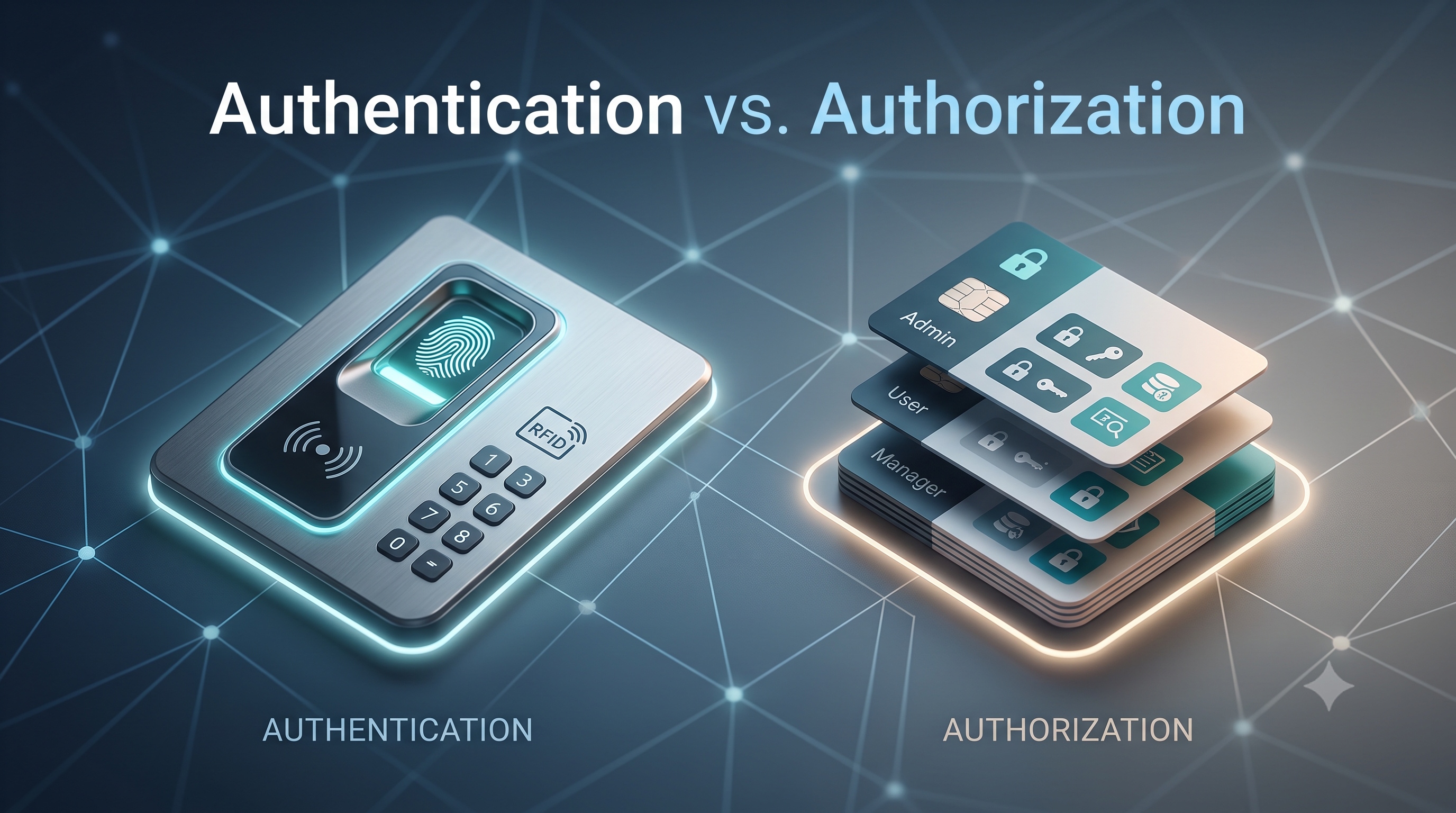
Authentication vs. Authorization
Authentication and authorization are complementary pillars of access control. Authentication answers “who” by verifying identity, while authorization answers “what” by enforcing permissions based on that identity. Confusing the two can lead to insecure designs, data breaches, and regulatory penalties. A clear separation of responsibilities, combined with robust implementation strategies such as multi‑factor authentication, fine‑grained policy evaluation, and continuous monitoring, creates a strong security foundation. As threats evolve, organizations must revisit both mechanisms regularly, ensuring that they remain aligned with business goals and emerging compliance requirements.

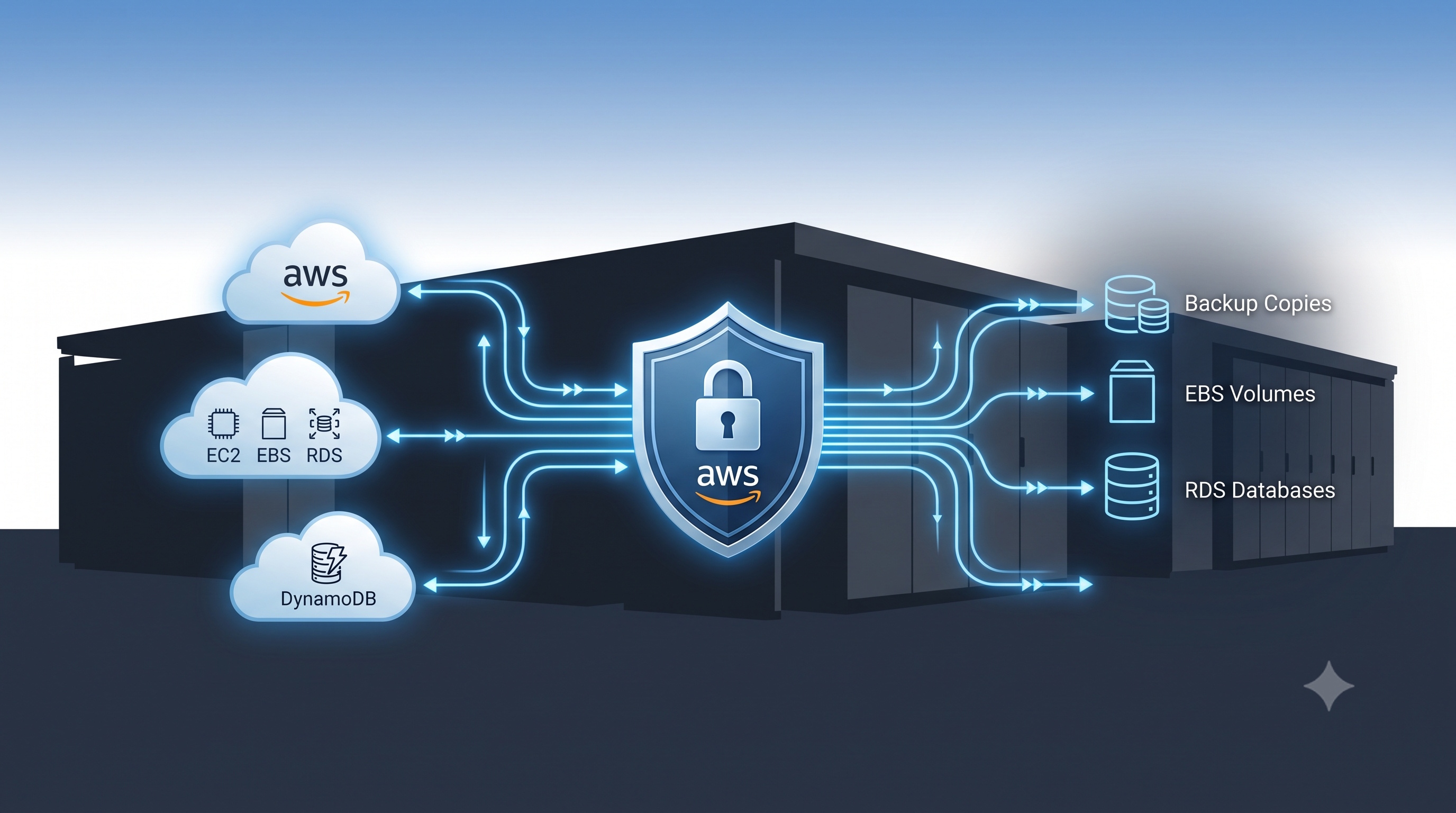
Implementing Backups with AWS Backup
Implementing backups with AWS Backup offers a unified, secure, and automated approach to protecting data across the AWS ecosystem. By understanding the service’s core constructs, aligning backup plans with business RPO and RTO goals, and following proven best practices, organizations can achieve resilient data protection while controlling costs. Continuous monitoring, regular restore testing, and disciplined IAM governance are essential to maintaining a trustworthy backup environment. With these measures in place, teams can focus on innovation rather than worrying about data loss.


Managing Menus, Navigation, and Breadcrumbs
Menus, navigation, and breadcrumbs are not isolated UI elements; they form a cohesive system that directs user behavior, supports accessibility, and contributes to search‑engine visibility. By grounding design decisions in clear hierarchy, consistent labeling, and responsive implementation, teams can create intuitive pathways that reduce friction and increase satisfaction. Ongoing testing and disciplined maintenance ensure that the navigation ecosystem remains reliable as content evolves.
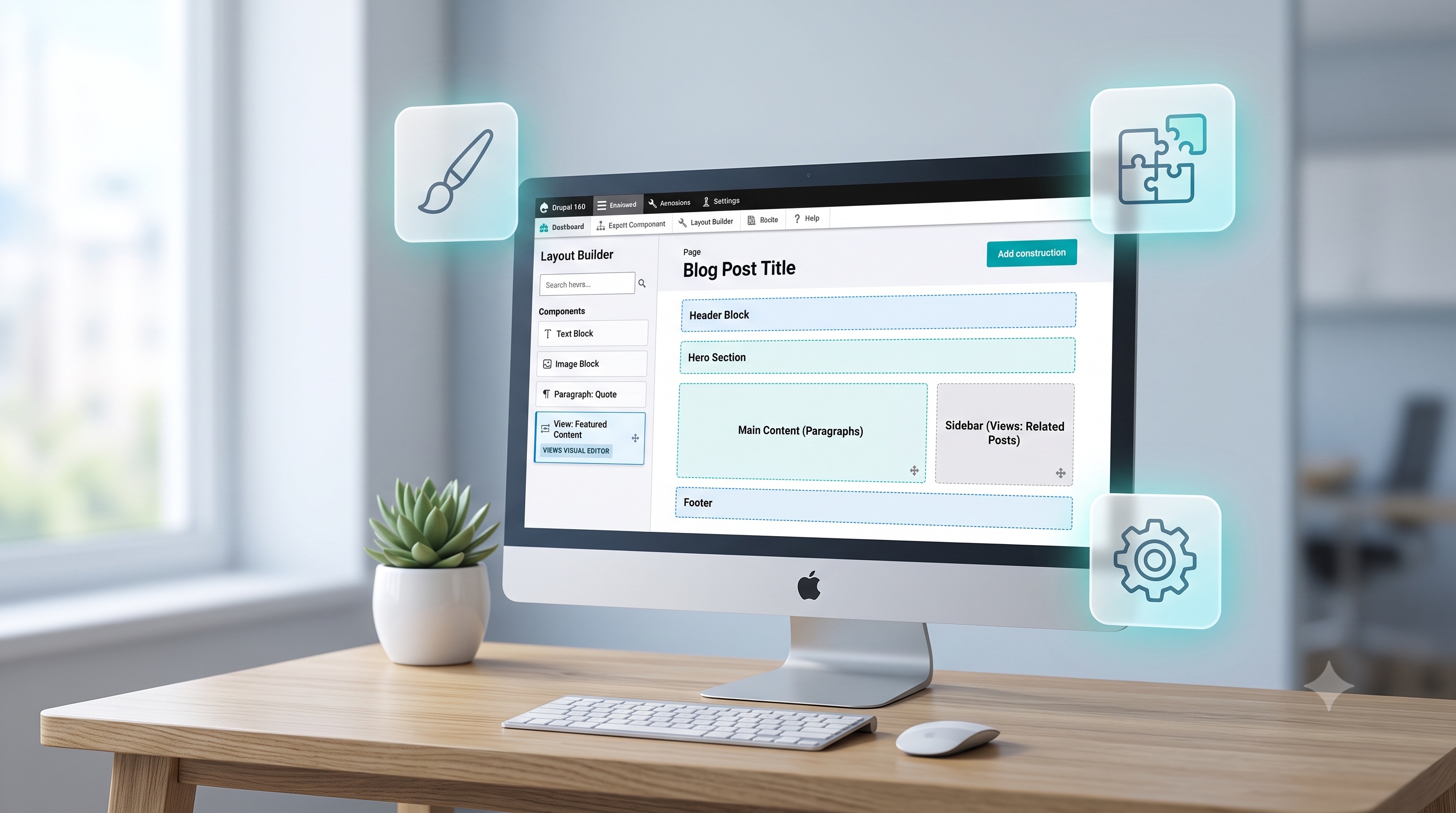
Customizing Drupal Without Coding
Customizing Drupal without coding is a realistic goal for many organizations. The platform’s Layout Builder, Paragraphs, Views UI, and a rich ecosystem of contributed modules empower non‑technical users to design, structure, and enhance web pages through intuitive interfaces. When combined with disciplined configuration management and best‑practice workflows, a no‑code approach delivers rapid iteration, lower maintenance costs, and a resilient digital presence. Teams that invest in training and adopt these tools can unlock Drupal’s full potential while keeping development resources focused on truly unique challenges.
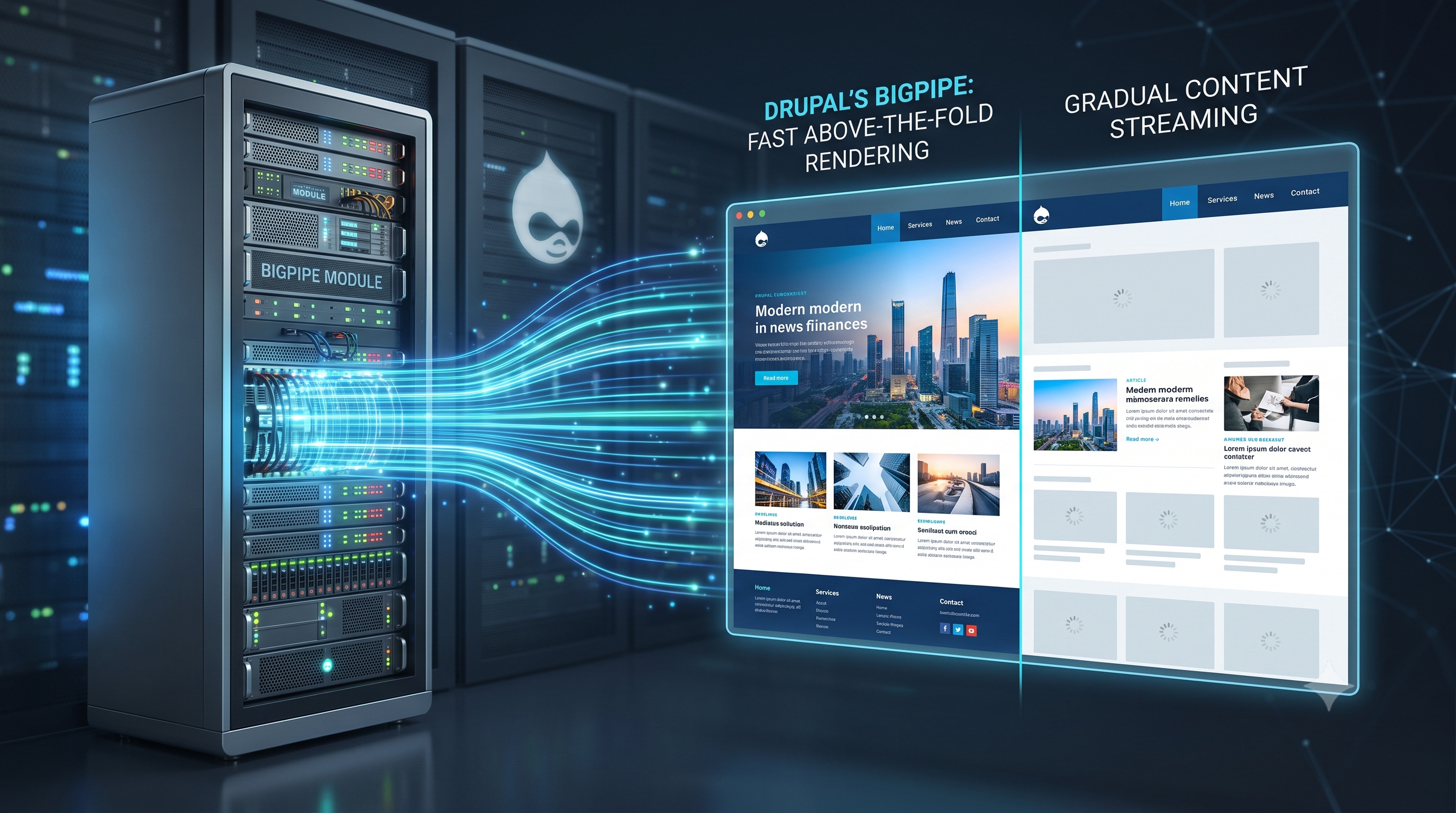
Drupal’s BigPipe Module for Performance
BigPipe offers Drupal developers a powerful tool for improving perceived performance without sacrificing flexibility. By streaming critical markup first and loading secondary content asynchronously, sites can achieve faster paint times, better Core Web Vitals, and a smoother user experience. Successful adoption requires careful configuration, alignment with existing caching strategies, and ongoing monitoring to avoid common integration issues. When implemented correctly, BigPipe becomes a cornerstone of a high‑performance Drupal architecture, enabling organizations to meet the demanding speed expectations of modern web users.